






















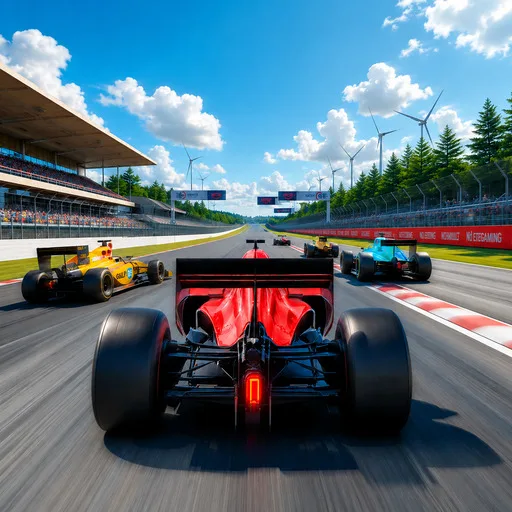



Okay, let's be real. We've all been there. Clutch moment in Valorant, enemy flanking, and... wait for it... you can't quite pinpoint where that sneaky so-and-so is coming from. Game over. And, let's be honest, sometimes it feels like your gear is the enemy more than the opposing team. Choosing the right equipment matters, right? That's why we're diving deep into the world of gaming headphones, specifically the best gaming headphones for esports. It's not just about sound; it's about gaining a competitive edge.
I remember a time (and this dates me a little) when "gaming headphones" were just regular headphones with a slightly more aggressive design and a microphone slapped on. But boy, things have changed. We're talking about intricate soundscapes, pinpoint directional audio, and comfort that lets you game for hours without feeling like your head's in a vise. What a time to be alive! Actually, that's not quite right... the options are a bit overwhelming, so let's simplify things.
Decoding the Soundscape: What Makes Esports Headphones Different?
Here's the thing: not all headphones are created equal. For esports, you need headphones engineered for precision. Think about it: in a fast-paced game like CS:GO, hearing the subtle rustle of an enemy's footsteps can be the difference between victory and digital demise. Traditional headphones might offer a broad sound profile, which is great for music, but gaming headphones prioritize directional audio. They create a virtual surround sound experience that allows you to accurately pinpoint the location of in-game sounds.
And then there's the microphone. Communication is key in any team-based game, and a clear, noise-canceling microphone is essential. No one wants to hear your keyboard clacking or your dog barking while you're trying to call out enemy positions. Trust me.
Comfort is King (or Queen!): Ergonomics and Endurance
Let's be honest with ourselves: esports tournaments are marathons, not sprints. You might be spending hours grinding, practicing, and competing. And it's a good idea to get away from the screen from time to time. You might explore crazygames for fun games. The comfort of your headphones, therefore, becomes paramount. Look for features like plush earcups, adjustable headbands, and lightweight designs. The goal is to find a pair of headphones that you can wear for extended periods without experiencing discomfort or fatigue.
I've got to admit, this part fascinates me. The science of ergonomics is truly amazing. The subtle contours of the earcups, the distribution of weight across the headband – it all adds up to a drastically different gaming experience. And don't underestimate the importance of breathability. Earcups made from breathable materials can help prevent your ears from getting sweaty and uncomfortable during those intense gaming sessions. Nobody wants swamp ear!
But. Yeah, that's right, starting a paragraph with “but”. It’s my article, I’ll do what I want. Anyway, but comfort isn’t just about the physical feel of the headphones; it's also about the psychological aspect. When you're comfortable, you're less distracted, and you can focus better on the game. It's a subtle but crucial advantage.
Wired vs. Wireless: The Great Debate
Ah, the age-old question. Wired or wireless? Each has its pros and cons, especially when it comes to esports. Wired headphones offer a more stable connection and eliminate the risk of lag or interference. They also don't require charging, which is a definite plus for those long gaming sessions. You might want to download a mobile game after playing on your PC for a long time.
However, wireless headphones provide freedom of movement and eliminate the clutter of cables. And the wireless technology is getting better every year, so in many instances you can no longer tell the difference between the 2 anymore. But here’s the thing: latency is still a concern for some esports players. Even a slight delay in audio transmission can affect your reaction time. So, if you're serious about competitive gaming, wired headphones might still be the safer option. Unless you splurge.
FAQ: Your Burning Headphone Questions Answered
How do I know if my gaming headphones are truly giving me a competitive advantage?
That's a great question! It really comes down to testing and personal preference. But look for headphones with features like low latency (especially if wireless), accurate directional audio, and a clear microphone. Try them out in different game scenarios and see if you notice an improvement in your reaction time and awareness. And remember, even the best gaming headphones for esports can't magically turn you into a pro. It's still about skill and practice!
Why are some gaming headphones so much more expensive than others?
Price often reflects the quality of components, the technology used, and the overall design. More expensive headphones might feature better drivers, more advanced noise-canceling technology, and more comfortable materials. But don't assume that the most expensive headphones are always the best for you. It's important to find a pair that suits your specific needs and preferences. Brands that sponsor esports teams might be charging more for a name, too. Just saying!
How important is noise cancellation in gaming headphones?
Noise cancellation can be a game-changer, especially if you play in a noisy environment. It helps block out distractions and allows you to focus on the in-game audio. But here's the catch: some noise-canceling headphones can slightly alter the sound profile, which might not be ideal for competitive gaming. If you're not playing in a noisy environment, noise cancellation might not be necessary.
Are open-back or closed-back headphones better for esports?
This is a common debate! Open-back headphones offer a wider soundstage and a more natural sound, but they also leak sound, which can be a problem if you're playing in a shared space. Closed-back headphones provide better isolation and prevent sound leakage, but they can sound a bit more confined. For esports, where precise directional audio is crucial, many players prefer closed-back headphones for their superior isolation. But it’s a personal preference.
So, there you have it. A deep dive into the world of gaming headphones for esports. It's a complex topic, but hopefully, this article has shed some light on the key factors to consider when choosing the right pair. Remember, it's not just about buying the most expensive or the most hyped headphones; it's about finding a pair that suits your specific needs, preferences, and gaming style.
Now, go forth and conquer (with the right audio gear, of course!).












![Peggle [FLASH] Game](https://gamerewardz.com/thumbs/peggle-flash-game_2.webp)