






















Okay, esports in 2025. Let's be real, trying to predict anything that far out feels a little like gazing into a crystal ball. Tech moves fast, games rise and fall in popularity faster, and who even knows what new platforms or genres will explode onto the scene? But, hey, that's part of what makes it exciting, right?
I’ve been following the esports scene since, well, let's just say a while. From the early days of Quake tournaments in darkened LAN cafes (remember those?) to the stadium-filling extravaganzas we see today, it's been a wild ride. And if history is any indication, the next few years are going to bring some serious surprises.
The Titans Clash: Best Upcoming Esports Events in 2025
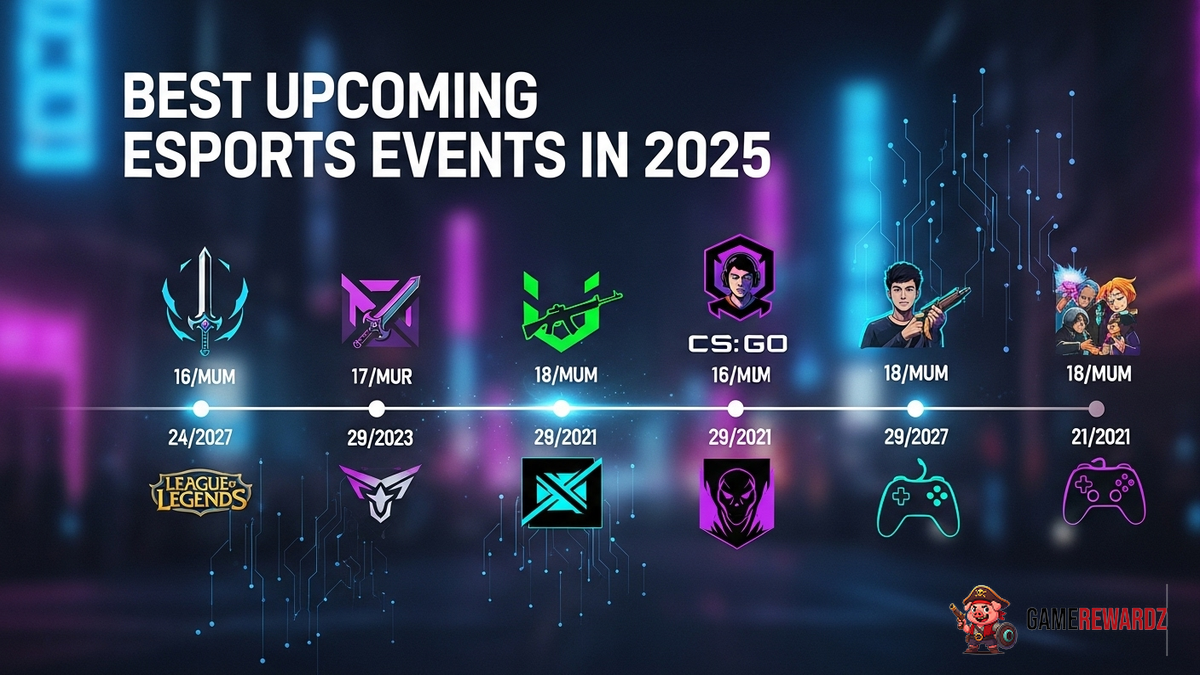
So, what can we realistically expect? A few things seem like pretty safe bets. For starters, the established giants – your League of Legends World Championship, the CS:GO Majors (or whatever Valve decides to call them by then, given the rumors about a potential CS3…), and The International for Dota 2 – those are almost certainly going to continue drawing massive crowds and even bigger online viewership. The sheer scale of these events is staggering, and they've got built-in momentum that's hard to ignore. You can spend some quality time on Crazygames to see what games are gaining popularity.
But here's the thing: the esports landscape is constantly shifting. What's hot today might be old news tomorrow. Remember when Overwatch was going to be the "next big thing?" It had a moment, sure, but it never quite reached the heights that some predicted. And that brings us to the fun part – the potential dark horses.
I've got to admit, this part fascinates me. Trying to spot the next breakout title is a bit like venture capitalism, but for gaming. You're looking for that spark, that unique combination of gameplay, community, and competitive potential that can propel a game into the stratosphere. Valorant will keep gaining new rewards if you follow new events. And who knows, maybe a totally new genre will emerge and completely redefine what we think of as esports. Imagine some kind of competitive augmented reality game where players are battling it out in real-world locations. The possibilities are endless!
Mobile Gaming's Continued Rise
Speaking of shifting landscapes, let's talk about mobile. For a long time, mobile gaming was seen as the "casual" side of the industry, something you did on your commute or while waiting in line. But that's changing fast. Games like Mobile Legends: Bang Bang and PUBG Mobile have already established massive esports scenes, particularly in Asia, and the technology is only getting better. We're talking about more powerful phones, better graphics, and more sophisticated control schemes. I wouldn't be surprised to see mobile esports become even more prominent in the coming years, potentially even rivaling their PC and console counterparts.
But here's a question you might be wondering: will we see true cross-platform esports events? Imagine a tournament where PC players, console gamers, and mobile users are all competing against each other in the same game. Technically, it's becoming more feasible, but there are still significant balance and fairness issues to overcome. Input methods, screen sizes, and processing power all play a role, and ensuring a level playing field is a major challenge. Still, it's an intriguing possibility to consider.
The Wildcard: New Technologies and Formats
Okay, this is where things get really speculative. What new technologies could disrupt the esports scene? VR and AR are obvious candidates, but they still have a ways to go before they're truly ready for prime time. Latency issues, motion sickness, and the high cost of entry are all significant hurdles. But imagine a VR esports game where players are physically moving and interacting with the environment. That could be incredibly immersive and exciting to watch. There are also innovations in streaming technology that could change the way we consume esports content. Think interactive streams where viewers can directly influence the game or even participate themselves. Now that's something I'd tune in for.
And let's not forget the potential for new formats and game modes. Maybe we'll see the rise of battle royale esports with even larger player counts, or more complex strategy games that require teams to coordinate across multiple platforms. Or perhaps we'll see the emergence of AI-powered esports, where players are competing against intelligent bots that can adapt and learn in real time. The only limit is our imagination (and, you know, the technical capabilities of game developers).
FAQ: Your Burning Esports Questions Answered
How do I know if an esports event is worth attending in person?
This is a great question! I think it boils down to a few key factors. First, what's the game? Are you a passionate fan of the title being featured? Second, what's the venue like? Is it a massive stadium with all the bells and whistles, or a smaller, more intimate setting? Third, what's the overall atmosphere like? Do you get a sense of excitement and energy from the crowd? Attending an event with games you are familiar with or want to know more about is always a good start to build your knowledge of events worth attending.
Why are some esports more popular than others?
Ah, the million-dollar question! There's no single answer, but I think it comes down to a combination of factors: game design, marketing, community support, and the overall competitive scene. Some games are just inherently more fun to watch than others, while some have better-organized leagues and tournaments. And of course, a strong and passionate community can make all the difference in the world. Also, the game developer's support is essential in helping keep any esport popular. So, in short, a ton of reasons.
What's the deal with franchising in esports?
Franchising is a controversial topic in the esports world. On the one hand, it provides stability and financial security for teams and players. On the other hand, it can create barriers to entry for new teams and limit competition. The basic idea is that teams pay a fee to secure a permanent spot in a league, guaranteeing them a certain level of revenue and exposure. It's similar to how professional sports leagues operate, but it's still a relatively new concept in esports.
Are esports "real" sports?
This is a debate that's been raging for years, and honestly, I'm not sure there's a definitive answer. On the one hand, esports require skill, strategy, and teamwork, just like traditional sports. On the other hand, they lack the physical element that many people associate with sports. Ultimately, it's a matter of definition. But I think it's clear that esports are a legitimate form of competition, and they deserve to be taken seriously.
So, there you have it – my somewhat speculative, slightly rambling, but hopefully insightful look at the best upcoming esports events in 2025. Remember, the future is uncertain, but one thing is for sure: it's going to be an exciting ride!









![Peggle [FLASH] Game](https://gamerewardz.com/thumbs/peggle-flash-game_2.webp)