


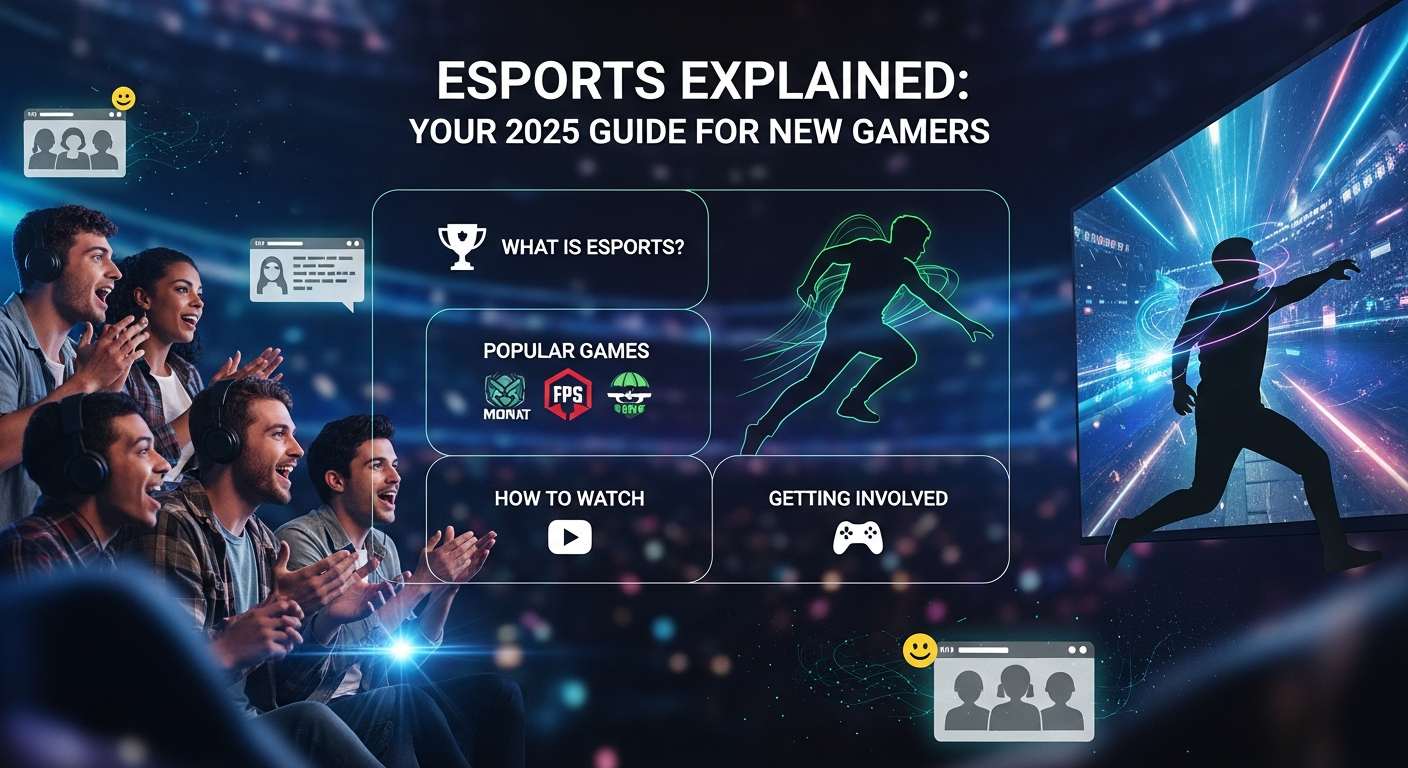
So, you wanna dive into esports, huh? Welcome to the party! It's a wild, ever-evolving landscape, and honestly, that’s what makes it so damn exciting. Forget the tired old stereotypes; esports isn't just basement dwellers glued to screens. It's a global phenomenon, a multi-billion dollar industry, and a legitimate career path for some seriously talented individuals. But where do you even start?
I remember when I first started watching competitive gaming – I was totally lost. All these acronyms, strategies I didn't understand, and casters yelling about plays I barely registered. It was intimidating! So, I get it. This guide is designed to cut through the noise and give you a solid foundation. Think of it as your friendly neighborhood esports translator.
First things first: what is esports, anyway? Seems obvious, maybe. But bear with me. It’s essentially organized, competitive video gaming, usually between professional players or teams. These aren't your casual Friday night Mario Kart sessions (though those are great too!). We're talking about high-stakes tournaments, massive online leagues, and dedicated fanbases that rival traditional sports. The audience is only growing.
Picking Your Poison: Popular Esports Games
Okay, now for the fun part. The games! This is where things get wonderfully diverse. There's an esports title for almost every taste. But some reign supreme, and understanding the major players is key.
- League of Legends (LoL): A titan of the MOBA (Multiplayer Online Battle Arena) genre. Think intricate strategy, team coordination, and a cast of colorful characters (champions) with unique abilities. It’s huge, complex, and incredibly rewarding to watch – once you grasp the basics.
- Counter-Strike: Global Offensive (CS:GO): The granddaddy of tactical first-person shooters. Two teams, terrorists and counter-terrorists, battling it out in tight maps. Precision, reflexes, and teamwork are paramount. Simple to understand, brutally difficult to master.
- Dota 2: Another MOBA behemoth, often considered LoL's more complex cousin. Insanely deep strategy, a massive hero pool, and a dedicated (and sometimes… intense) fanbase. Prepare for a steep learning curve.
- Overwatch 2: A vibrant, team-based shooter with a focus on hero abilities and objective-based gameplay. Fast-paced, visually appealing, and relatively easy to pick up.
- Valorant: Riot Games' take on the tactical shooter, drawing heavily from CS:GO but with its own unique flavor. Agent abilities add a layer of strategic depth.
- Fortnite: The battle royale king. 100 players drop onto an island and fight to be the last one standing. Building, shooting, and a healthy dose of chaos. My nephew is obsessed with it. Speaking of which, here is an interesting link about Fortnight tricks.
These are just a few of the big names. You'll also find thriving scenes around games like Rainbow Six Siege, Rocket League (car soccer!), and various fighting games.
Understanding the Ecosystem
Esports isn't just about the games themselves; it's about the entire ecosystem that surrounds them. And trust me, it's a jungle out there! You've got publishers, teams, leagues, tournaments, sponsors, and a whole lot more all vying for attention (and money). Trying to sort this out?
Leagues are organized circuits where teams compete regularly, like the League of Legends Championship Series (LCS) or the Overwatch League. Tournaments, on the other hand, are often one-off events with larger prize pools, like The International (Dota 2) or the Intel Extreme Masters (IEM) series. Knowing these structures will allow you to properly understand what's going on.
Teams are the organizations that field the players. Some are massive, multi-game operations with huge fanbases (think Cloud9, Team Liquid, FaZe Clan), while others are smaller, more regional outfits. And then you have publishers, like Riot Games (League of Legends, Valorant) or Valve (CS:GO, Dota 2), who own the games and often play a significant role in shaping the competitive scene.
It can feel overwhelming at first, but stick with it. It all starts to make sense after a while. I promise!
How to Get Involved: From Spectator to Player
Okay, so you're intrigued. Now what? Well, there are several ways to dip your toes into the esports waters. And the first step is easy: watch! Find a game that piques your interest and start watching professional matches. Twitch and YouTube are your best friends here. Pay attention to the casters (commentators) – they'll explain the strategies, the key moments, and the overall flow of the game. And actually, that's not quite right because understanding the game is secondary to enjoying the stream.
Another way is to engage with the community. Join online forums, Discord servers, or subreddits dedicated to your favorite games. Ask questions, share your thoughts, and connect with other fans. The esports community can be incredibly welcoming and passionate.
But if you're feeling ambitious, why not try playing competitively yourself? Many games have ranked modes where you can test your skills against other players and climb the ladder. Or you can join local tournaments or online leagues for amateur players. Who knows, you might just have a knack for it! Speaking of improving your game, here is a link from the internal link pool: PUBG Mobile tips & tricks for victory
The Future of Esports: What to Expect in 2025
Esports is moving at warp speed. Predicting the future is a fool's errand, but here are a few trends I'm keeping an eye on. I keep coming back to this point because it's crucial to understanding the entire esports landscape. Increased professionalization. Esports is increasingly resembling traditional sports, with more sophisticated training regimens, player development programs, and business operations. Don't be surprised to see even more mainstream investment and recognition.
Mobile esports is another thing to watch. Mobile gaming is booming globally, and esports titles like PUBG Mobile and Mobile Legends: Bang Bang are attracting huge audiences, particularly in Asia. Expect this trend to continue. Then there are the new technologies. Virtual reality (VR) and augmented reality (AR) could revolutionize esports, offering new ways to play and spectate. Blockchain technology and NFTs could also play a role in player ownership, fan engagement, and digital collectibles. The possibilities are endless. But what is actually worth talking about in esports?
All of this, as the growth will continue!
FAQ: Your Esports Questions Answered
What skills do professional esports players actually need?
It's not just about being good at the game! Pro players need exceptional reflexes, hand-eye coordination, and strategic thinking. But communication, teamwork, and mental fortitude are equally important. And discipline! These folks practice for hours every day, honing their skills and refining their strategies. And also, here is one interesting link from internal link pool How to Master Fortnite Arena
Is esports really a legitimate career path?
It can be, but it's not for everyone. The competition is fierce, and only a tiny fraction of players make it to the top. The life of a pro gamer can be demanding, with long hours, constant travel, and intense pressure. But for those who are talented and dedicated enough, it can be a lucrative and rewarding career. Many ex-pros also transition into coaching, casting, or other roles within the industry.
How do esports players avoid burnout?
Burnout is a serious issue in esports. The constant pressure to perform, the long hours of practice, and the lack of work-life balance can take a toll. Many teams and organizations are now focusing on player wellness, providing resources like sports psychologists, nutritionists, and physical therapists. Taking breaks, engaging in other hobbies, and maintaining a healthy lifestyle are crucial for avoiding burnout.
How can I tell if my kid is too into esports?
This is a valid concern. It's important to strike a balance between screen time and other activities. If your child is neglecting schoolwork, social activities, or physical health in favor of gaming, it might be a sign of a problem. Open communication is key. Talk to your child about their interests and goals, and work together to set healthy boundaries. Remember, gaming can be a fun and engaging hobby, but it shouldn't come at the expense of other important aspects of life.
The Final Score
Esports is more than just a passing fad; it's a dynamic and evolving force that's reshaping the entertainment landscape. So, what do you think? Dive in, explore, and find what excites you. The world of esports awaits!




![Peggle [FLASH] Game](https://gamerewardz.com/thumbs/peggle-flash-game_2.webp)