


















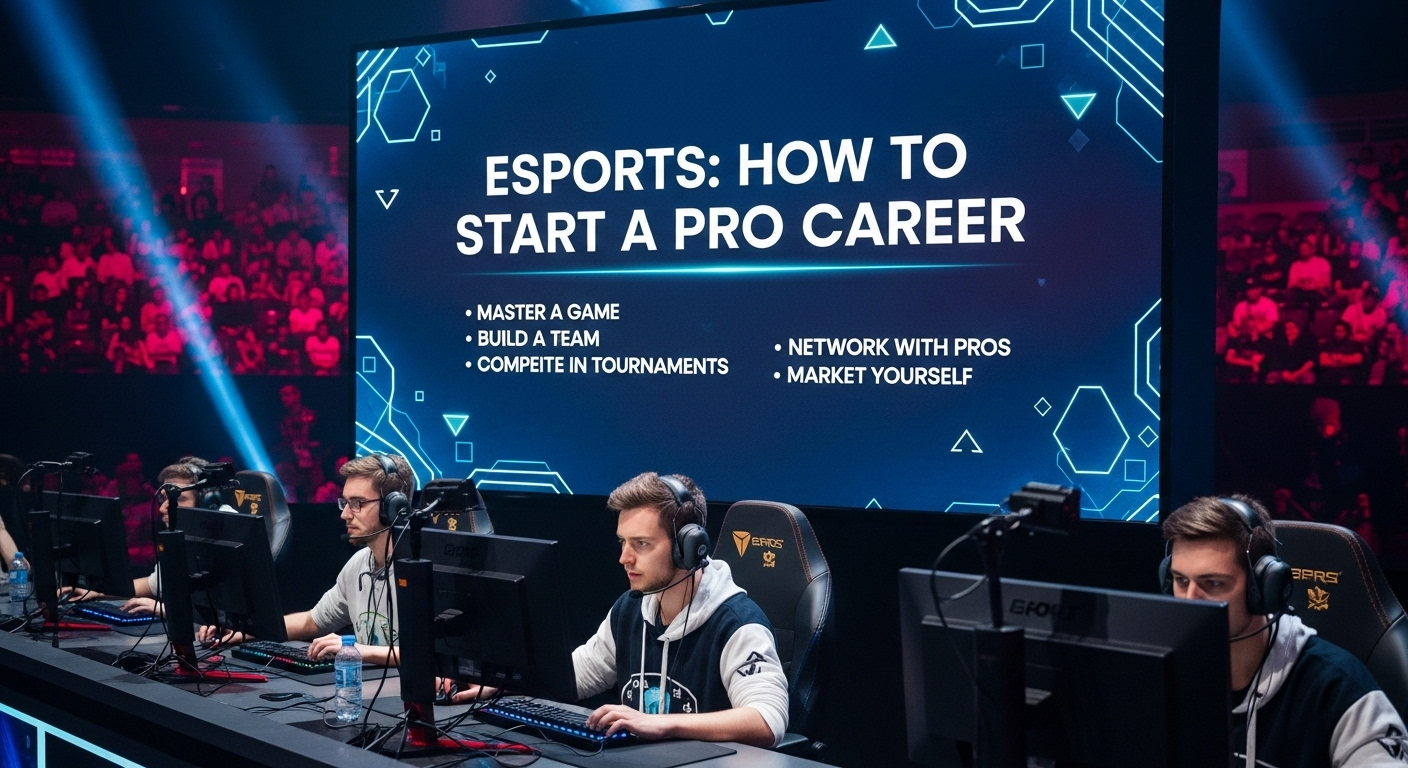
So, you wanna be a pro esports player, huh? I get it. The roar of the crowd (even if it's just in your headphones), the thrill of victory, maybe even a little bit of fame and fortune. Who wouldn't want that? But let me tell you, it's not all sunshine and perfectly optimized gaming rigs. It takes grit, dedication, and maybe just a sprinkle of madness. I initially thought raw talent was enough, but after diving deeper, it's so much more nuanced.
I remember when I first started taking online gaming seriously. I was glued to my screen, hours melting away as I honed my skills, driven by the naive belief that I was destined for greatness. Turns out, everyone else was doing the same thing. And a lot of them were way, way better than me. Harsh reality, but a necessary one.
The frustrating thing about pursuing an esports career is the sheer amount of competition. We're not just talking about beating your friends at Fortnite. We're talking about going up against thousands, maybe millions, of other players who are all hungry for the same thing you are. So, where do you even start?
Finding Your Game (And Your Niche)
First things first, you've gotta find your game. Not just a game you like, but a game you can truly excel at. What genres do you gravitate towards? FPS? MOBAs? Fighting games? Strategy titles? Each requires a different skillset, a different mindset. Finding a game where your natural abilities align with the game's core mechanics is crucial. This is one of the best ways to start your esports career, though you'll need more than raw talent.
But beyond just the genre, think about finding a niche within that game. Are you a deadly sniper in Call of Duty? Do you main a particular hero in Overwatch? Specializing can help you stand out from the crowd. It's about becoming known for something specific. Remember, being a jack-of-all-trades is rarely a winning strategy in the pro esports scene. Plus, it is good to know some tips and tricks in video games, you can checkout this helpful article.
The Grind is Real: Practice, Practice, Practice
Okay, let's be honest. This is the part nobody likes to talk about, but it's the most important. Becoming a pro esports player is about putting in the hours. And I'm not talking about just playing casually with your friends. I'm talking about structured, focused practice. Think of it like training for any other sport. You wouldn't expect to become a professional basketball player by just shooting hoops in your driveway every now and then, would you?
You might be wondering, "How much practice is enough?" Well, that depends on the game, your skill level, and your goals. But generally speaking, you should be aiming for several hours of focused practice each day. That means analyzing your gameplay, identifying your weaknesses, and working to improve them. Watch professional players, study their strategies, and try to emulate their techniques. And don't be afraid to experiment and find what works best for you.
Actually, that's not quite right. It's not just about the quantity of practice, it's about the quality. Hours spent mindlessly playing aren't nearly as valuable as focused practice sessions where you're actively trying to improve. Record your games, watch them back, and analyze your mistakes. Are you consistently making the same errors? Are you missing key opportunities? Identify those patterns and work to break them.
Building Your Brand (and Getting Noticed)
Here's the thing: talent alone isn't enough. You need to be able to market yourself. The esports world is, after all, a business. Start streaming your gameplay on platforms like Twitch or YouTube. Engage with your audience. Build a community. Be entertaining. Be informative. Be yourself (but a slightly more polished version, maybe!).
And don't underestimate the power of social media. Use Twitter, Instagram, and other platforms to connect with other players, teams, and organizations. Share your highlights, your thoughts, and your personality. The more visible you are, the more likely you are to get noticed. And hey, you can always checkout this helpful article on how to be a pro at video games.
Finding a Team (and Climbing the Ladder)
So, you've got the skills, you've got the brand, now it's time to find a team. Joining a team can provide you with the structure, support, and resources you need to take your game to the next level. It can also give you access to better competition and more opportunities to prove yourself. Look for teams that align with your goals and values. Do your research, talk to other players, and see if you can find a good fit.
But finding a team is just the first step. You need to prove yourself worthy of a spot on the roster. That means working hard, being a good teammate, and consistently performing at your best. It's a constant process of learning, adapting, and improving. And even if you make it to the top, there's no guarantee you'll stay there. The competition is fierce, and the only way to stay ahead is to keep grinding.
FAQ: Esports Career Questions Answered
How do I know if I'm good enough to go pro?
This is a tough one! There's no magic formula, but a good starting point is honestly assessing your performance against other serious players. Are you consistently ranking high in competitive ladders? Are you getting positive feedback from coaches or experienced players? And crucially, are you able to dedicate the necessary time and effort to truly excel? If you're still unsure, try participating in local tournaments or online leagues to get a better sense of your skill level and the competitive landscape. Remember, going pro in esports requires not only talent but also unwavering dedication and a willingness to learn and adapt.
What are the biggest challenges facing aspiring pro esports players?
Besides the intense competition, the biggest challenge is probably the lifestyle. It's demanding, requiring long hours of practice, travel, and constant pressure to perform. Burnout is a real risk, and it's important to prioritize your mental and physical health. Securing stable income can also be tough, especially in the early stages of your esports career, when you may not be earning much from tournaments or sponsorships. Additionally, the esports landscape is constantly evolving, so staying updated with the latest strategies, meta changes, and trends is crucial. And then the last thing is finding a dedicated coach. These problems make it hard to find your esports career path.
Is it really possible to make a living as a professional esports player?
Yes, absolutely! But let's be real; it's not easy. The top players in the most popular games can earn serious money through tournament winnings, sponsorships, streaming, and merchandise sales. However, the vast majority of aspiring pros won't reach that level. It's a highly competitive field, and success requires a combination of talent, hard work, dedication, and a bit of luck. The key is to focus on continuous improvement, build a strong personal brand, and diversify your income streams whenever possible.
What's the best way to find a team or organization to join?
Networking is key. Attend esports events, both online and offline, to connect with other players, coaches, and team managers. Participate in online forums and communities related to your game. Showcase your skills through streaming and social media. Create a professional portfolio or resume highlighting your achievements and experience. And don't be afraid to reach out to teams and organizations directly, expressing your interest and showcasing your abilities. Remember to be persistent, professional, and patient. And always do your research to ensure the team or organization is reputable and aligns with your goals.
So, that's it. That's my (slightly rambling) guide to becoming a pro esports player. It's not easy, but it's possible. Just remember to stay focused, stay dedicated, and never give up on your dreams. And maybe, just maybe, I'll see you on the stage one day.








![Peggle [FLASH] Game](https://gamerewardz.com/thumbs/peggle-flash-game_2.webp)