

















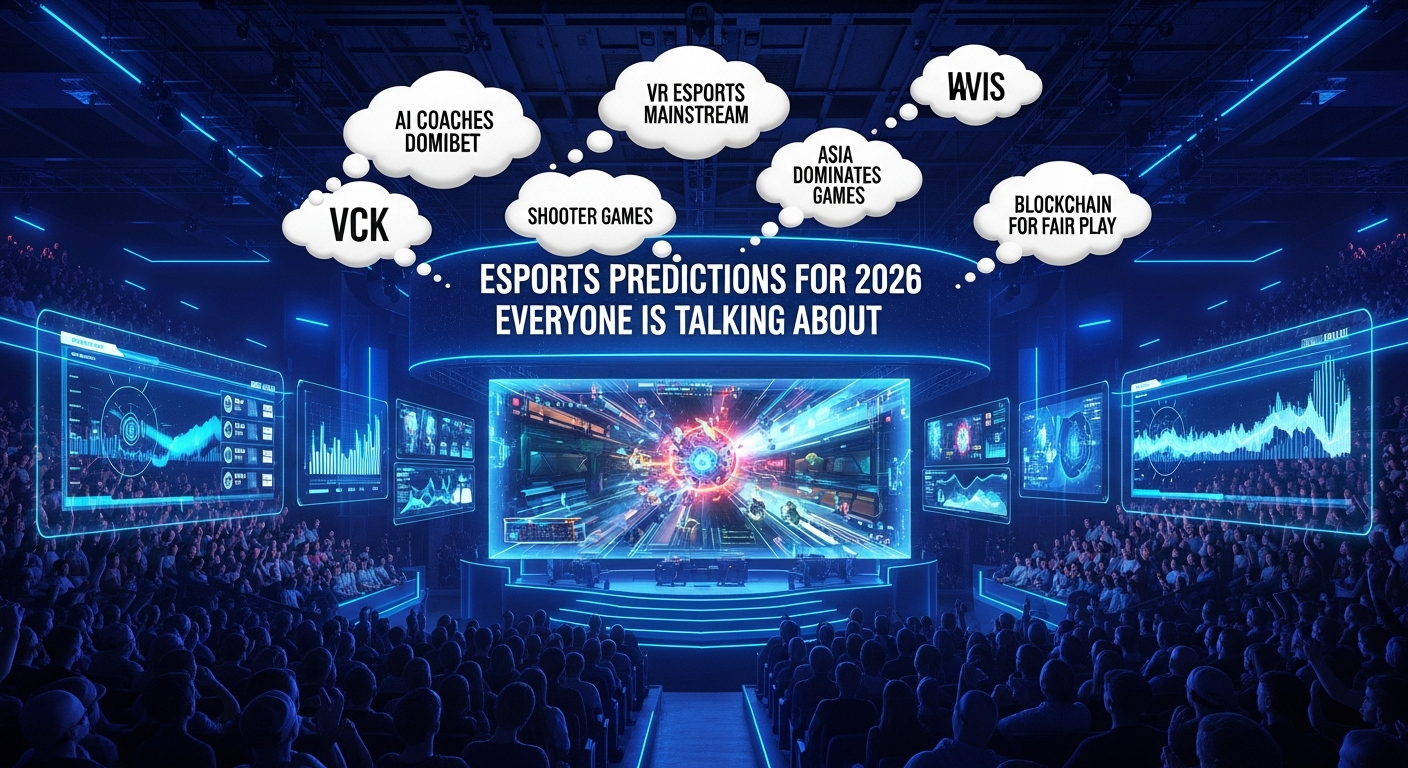
Okay, let's be real. Trying to predict the future of anything, especially something as dynamic as esports, feels a bit like staring into a crystal ball made of slightly cracked glass. But hey, that's half the fun, right? Esports is currently a global phenomenon, drawing in millions of viewers and even more dollars. But where’s it all heading by 2026? That’s what I’ve been pondering lately over copious amounts of coffee (seriously, the barista knows me by name now).
My initial thought was that things would just…get bigger. More games, more viewers, more sponsorships. But after digging a bit deeper (and stumbling down a few YouTube rabbit holes featuring interviews with industry insiders), I realized that the way we experience esports is likely to change dramatically, perhaps more so than the sheer scale of it all. So, buckle up, because some of these predictions might raise an eyebrow or two.
The Rise of Niche Esports
We're already seeing it happen, but I think 2026 will be the year that niche esports really explode. Forget just League of Legends and Counter-Strike dominating the headlines (though, let's be honest, they'll still be huge). I'm talking about smaller, more specialized games carving out passionate communities. Think competitive puzzle games, speedrunning leagues with massive prize pools, or even augmented reality fitness games turning into spectator sports.
The beauty of niche esports is its accessibility. You don't need to be a professional gamer with years of experience to enjoy or even compete at some level. This creates a more inclusive and diverse esports ecosystem. This diversity is going to be the source of so many fresh and interesting stories.
VR and AR: Immersion Redefined
Here's the thing: VR and AR have been "just around the corner" for years. But 2026 feels like the inflection point. I suspect by then, the hardware will be lighter, more affordable, and far more integrated into our daily lives. Crazy Games are likely to invest more on VR and AR. What does this mean for esports? Imagine watching a Dota 2 match from a bird's-eye view, floating above the battlefield, or physically dodging projectiles in a VR fighting game tournament. The immersive possibilities are insane!
During my time exploring the VR gaming scene, I have learned it is more than just a novelty. It’s a completely different way to experience games. And the esports potential is massive. We're talking about a new level of spectator engagement. Forget passive viewing; think interactive spectating, where you can influence the match in subtle ways or even train alongside your favorite players in a virtual environment.
The Content Creator as Esports Athlete
This one’s a bit of a wildcard, but I think it's brewing. We're already seeing streamers and YouTubers becoming major influencers in the gaming world. But what if they start forming their own esports teams? What if the biggest stars aren't just playing the games, but actively shaping the competitive landscape?
Think about it: They already have the audience, the brand recognition, and often, the skills. They could leverage their platforms to create entirely new esports leagues centered around their personalities and communities. The traditional esports organizations might not like it, but the power of the individual creator is only growing. It could completely disrupt the established order. And honestly, I'm here for it.
The Impact of AI and Machine Learning
Okay, I've got to admit, this part fascinates me. AI is already changing how we play games, from smarter bots to personalized training programs. But in 2026, I think AI will have a much more profound impact on esports. Imagine AI-powered analysis tools that can predict player strategies in real-time, offering viewers unparalleled insights into the game. Or AI commentators that can provide dynamic and personalized commentary based on your viewing preferences.
But here’s the potentially controversial bit: AI could even start competing directly. Imagine an AI team capable of playing at a grandmaster level in StarCraft II. Would people watch? Would it be considered "real" esports? These are the kinds of questions we'll be grappling with in the coming years. And I’m not sure I have the answers. Speaking of things I'm not sure about... I initially thought that AI would solely assist the players. But after looking deeper, I see its capabilities expand into completely over taking it.
Esports Predictions: More Than Just Games
Here's the thing: esports isn't just about the games themselves. It's about community, connection, and shared experiences. It’s a digital water cooler for a generation that grew up online. And as technology evolves, so too will esports. We'll see new games, new platforms, and new ways to engage with the sport. But at its core, it'll still be about the thrill of competition, the joy of watching skilled players push their limits, and the sense of belonging that comes from being part of something bigger than yourself. This is how the 2026 esports predictions will change.
And look, I could be completely wrong. Maybe VR will flop, and everyone will still be playing League of Legends on their laptops. But that's the beauty of predictions, isn't it? It's about sparking a conversation, imagining the possibilities, and maybe, just maybe, getting a glimpse of the future. Remember to check out the Top Gaming Phones you can use in 2026 to see the changes. Also, get Roblox Crazy Free Item Midnight to enhance your predictions on Esports.
FAQ: Your Esports Questions Answered
Will esports be bigger than traditional sports by 2026?
That's the million-dollar question, isn't it? While I don't think esports will completely overtake traditional sports in terms of overall revenue or viewership by 2026, I do believe it will continue to close the gap significantly. Esports has a few key advantages: global accessibility, a younger demographic, and a constant stream of new content. Traditional sports have history, established infrastructure, and a broader cultural appeal. It's going to be a fascinating race to watch.
How do I know if an esports prediction is actually reliable?
Good question! It's important to be skeptical and do your research. Look for predictions based on data, trends, and informed analysis, rather than just gut feelings. Consider the source: are they industry experts, analysts, or just random internet commenters? And remember, even the best predictions are just educated guesses. The esports world is incredibly volatile, and anything can happen.
What's the deal with gambling and esports?
Esports betting is already a huge market, and it's only going to get bigger. But it's also a complex and potentially problematic area. There are concerns about match-fixing, underage gambling, and the potential for addiction. It's crucial that the industry develops strong regulations and safeguards to protect players and fans. But it's also important to acknowledge that responsible esports betting can add another layer of excitement and engagement for some viewers.
Are esports predictions even worth paying attention to?
Well, since you're reading this, I'd say yes! But seriously, predictions can be a valuable tool for understanding the potential future of esports. They can help you identify emerging trends, anticipate changes in the market, and make informed decisions about investments or career paths. Just remember to take them with a grain of salt and always do your own research.







![Peggle [FLASH] Game](https://gamerewardz.com/thumbs/peggle-flash-game_2.webp)