






























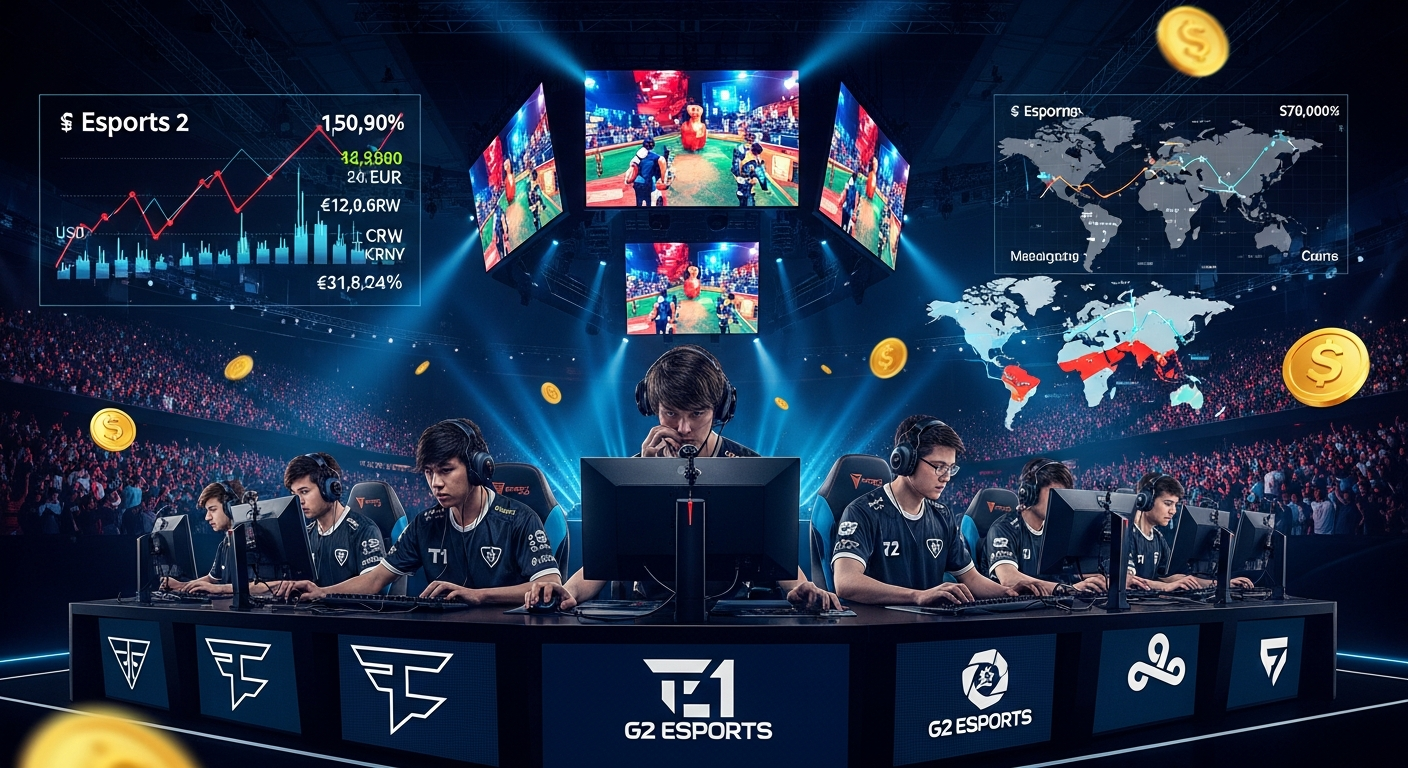
Esports. The very word conjures images of lightning-fast reflexes, intense concentration, and…well, probably a lot of energy drinks. But beyond the individual skill, the booming world of competitive gaming is also about something else entirely: Teams. And these teams? They’re generating some SERIOUS global revenue. I mean, seriously! It’s easy to get caught up in the individual players and their highlight reels, but the organizations behind them are the real economic powerhouses.
You might be wondering, "How much revenue are we talking about?" Let's just say, enough to make traditional sports teams raise an eyebrow. Then another eyebrow. Then spill their tea. And, honestly, that's a good thing.
The Rise of Esports Revenue
The numbers are honestly staggering. We're not talking chump change here. Global esports revenue has exploded in the last decade, and is projected to continue its upward trajectory. And no, it's not just hype; it's built on a foundation of viewership, sponsorships, and media rights. Think about it: Millions of people tune in to watch these competitions, which means big advertising dollars and lucrative deals. Market and Consumer Data offers some fascinating insights.
But where is all that money coming from exactly? Well, it's a multi-faceted beast. Sponsorships are a HUGE piece of the pie. Brands are clambering over each other to get their logos on jerseys and their ads in streams. Then there's media rights – broadcasting rights for major tournaments can fetch eye-watering sums. And let's not forget in-game purchases and merchandise; those digital hats and hoodies add up, let me tell you.
Esports teams aren't just collections of skilled players anymore. They're brands themselves. They have dedicated fan bases, sophisticated marketing strategies, and increasingly, the kind of financial backing that rivals traditional sports franchises.
Team Strategies for Maximizing Revenue
So, how are these esports teams actually raking in the dough? It's not just about winning championships, although that certainly helps! They're employing some seriously savvy business strategies.
First, you've got to build a brand. A strong brand attracts sponsors, fans, and investors. Think of teams like FaZe Clan or Cloud9. They're not just teams; they're lifestyle brands. They've cultivated a distinct identity that resonates with their audience. They’re also extremely good at creating content – YouTube channels, Twitch streams, social media, the whole nine yards. Content keeps fans engaged, brings in new viewers, and creates opportunities for monetization. I initially thought that their main focus was to win tournaments, but after looking deeper at their approach, they were more focused on expanding their brand image.
And then there's merchandise. From jerseys to hoodies to gaming peripherals, fans are eager to show their support with physical products. The key is to create high-quality, desirable merch that people actually want to wear. Not some cheap, screen-printed t-shirt that falls apart after one wash. The teams also need to focus on expanding their team roster to various games to get access to maximum audience. But that alone wouldn’t work out, and that is why creating and promoting content is the key to success. By the way, if you are looking to earn robux fast roblox, then this may not be helpful to you.
Global Reach and Local Impact
Here's the thing: esports is global. Teams compete in tournaments all over the world, attracting viewers from every corner of the planet. This global reach translates into massive revenue opportunities. But what about the local impact?
Well, esports teams are also creating jobs and boosting local economies. They need staff, training facilities, and venues for events. This can create a ripple effect, attracting investment and tourism to the areas where they're based. It's not just about the players; it's about the entire ecosystem that surrounds them. And the impact is being felt everywhere. In Asia, Europe, North America – esports is becoming a major economic driver.
It's also changing the way we think about entertainment. Forget the traditional sports model. Esports is digital-first, interactive, and constantly evolving. It's a new kind of entertainment for a new generation. And that’s something worth considering.
Future Trends in Esports Revenue
What's next for esports revenue? That's the million-dollar question (or, you know, the multi-million-dollar question). I've got to admit, this part fascinates me. The future looks bright. We're likely to see more mainstream brands investing in esports, more sophisticated sponsorship deals, and more innovative ways to monetize content.
Think about the potential of augmented reality or virtual reality esports experiences. Imagine watching a live match in your living room, feeling like you're right there in the arena. Or participating in interactive challenges that let you compete alongside your favorite players. The possibilities are endless. Wait, there's something even more interesting here... the rise of mobile esports. As smartphones become more powerful and internet access becomes more widespread, mobile gaming is exploding in popularity. And that means even more revenue opportunities for esports teams. Remember the BGMI Mega Crate Drop Live?
FAQ: Esports Teams and Revenue
How do esports teams make money?
Esports teams generate revenue through a variety of channels, including sponsorships, media rights (broadcasting deals), merchandise sales, in-game purchases, and tournament winnings. Sponsorships are a major source of income, with brands paying to have their logos displayed on team jerseys and in streams. Media rights are another significant revenue stream, as broadcasting rights for major tournaments can be extremely valuable.
What are the biggest esports games in terms of revenue?
Games like League of Legends, Dota 2, Counter-Strike: Global Offensive, and Valorant consistently generate significant revenue for esports teams. These games have large player bases, dedicated fan communities, and well-established competitive scenes, which make them attractive to sponsors and broadcasters. The specific games that generate the most revenue can vary from year to year, but these titles are consistently at the top.
Why are sponsorships so important for esports teams?
Sponsorships are vital because they provide a stable and predictable source of income. Unlike tournament winnings, which can be unpredictable, sponsorships offer a guaranteed revenue stream that allows teams to invest in infrastructure, player salaries, and marketing efforts. They also provide valuable brand exposure and help teams reach new audiences. The frustrating thing about sponsorships is that brands don’t always align with the ethos of the gaming community, which can create conflict.
Are esports teams profitable?
Profitability varies widely depending on the team, the game they compete in, and their overall business strategy. Some top-tier teams with strong brands and successful marketing efforts are highly profitable. However, many smaller teams struggle to break even, especially in less popular games. The esports industry is still relatively young, and many teams are still experimenting with different revenue models to achieve long-term sustainability. So, while profitability is possible, it's not guaranteed.
So, there you have it. Esports teams aren't just about gaming; they're about building brands, creating content, and generating serious revenue. It's a dynamic and rapidly evolving industry, and I can't wait to see what the future holds. But one thing is certain: the world of esports is only going to get bigger, bolder, and more profitable.














![Peggle [FLASH] Game](https://gamerewardz.com/thumbs/peggle-flash-game_2.webp)