



























Okay, let's talk esports. I know, I know – some folks still think it's just kids playing video games. But honestly, it's a booming industry, and when I say booming, I mean eye-watering, record-breaking esports revenue is up for grabs. Forget pocket money; we're talking serious cash flowing into these teams. But how do they make all that money? It's definitely more than just winning tournaments, that's for sure. Stick with me.
Beyond the Trophy: Unveiling Esports Revenue Streams
So, you might be thinking: tournaments, right? Big prize pools, the roar of the crowd… sure, that's a part of it. A small part, actually. The reality is that tournament winnings are just the tip of the iceberg. Esports teams are essentially small businesses (or sometimes, not-so-small!), and like any business, they need diverse revenue streams to stay afloat. And thrive! The really clever teams? They're practically printing money.
Think about traditional sports teams. They don't just rely on winning games, do they? They've got merchandise, sponsorships, broadcasting rights… the whole shebang. Esports teams are building similar empires, but in a digital world, things move even faster.
Sponsorships: The Big Bucks in Esports
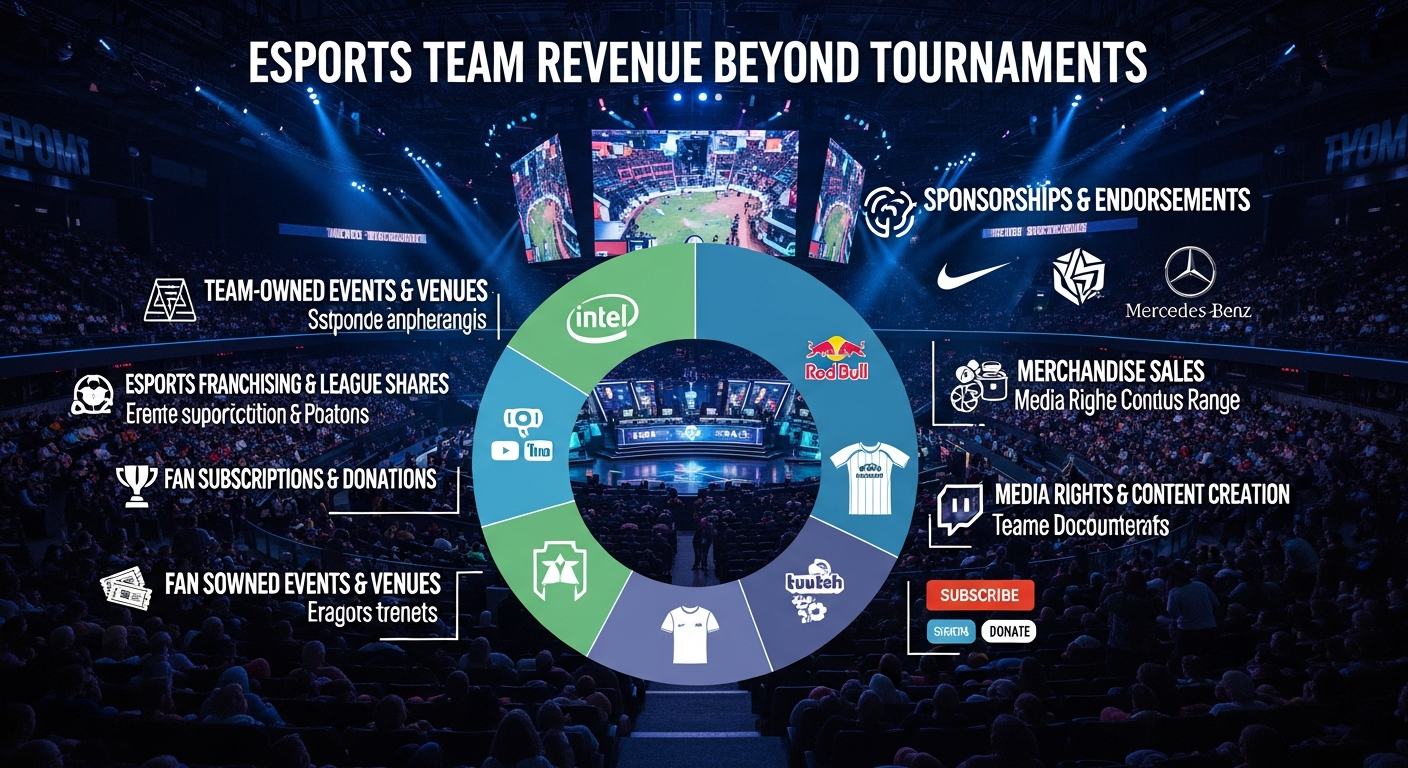
Here's the thing about esports: it's incredibly attractive to sponsors. Why? Because it reaches a young, tech-savvy audience that traditional advertising often misses. We're talking energy drinks, gaming peripherals, even car companies are jumping on board. These sponsorships can range from slapping a logo on a jersey (or, you know, a digital skin in the game) to full-blown integrated campaigns. And believe me, the numbers are huge. Like, 'pay-off-your-mortgage' huge. I initially thought the sponsorships were a bit overblown, but then you see the investment these big companies are making. It's wild.
And some of those sponsorship deals? They’re pretty creative, incorporating the team and players into advertising campaigns. Some are funny too. The bigger the audience, the bigger the check. Think of it like NASCAR, but instead of cars, we’re talking pixel-perfect headshots.
Merchandise: Leveling Up the Brand
Okay, so everyone loves swag, right? Esports teams know this. Jerseys, hoodies, hats, even limited-edition gaming chairs – all branded with the team logo and player names. This isn't just about supporting your favorite team; it's about becoming part of the tribe. It's about showing off your dedication. I've got to admit, I almost bought a Team Liquid hoodie last year. Almost. Think about it this way: merchandise is a tangible way for fans to connect with the team, and for the team to generate a steady stream of income. It's a win-win.
But it's not just physical merch either! Digital goods are becoming increasingly popular. Think in-game skins, emotes, and profile customizations. These can be hugely profitable, especially if they're tied to limited-time events or collaborations.
Content Creation: Engaging the Fanbase
Here’s where things get interesting. Esports teams are no longer just teams; they're content creators. They're streaming on Twitch, uploading videos to YouTube, engaging with fans on social media. This isn't just about promoting their brand; it's about building a community. A loyal fanbase that will support them through thick and thin (and buy their merch, of course). Think reality shows, behind-the-scenes glimpses, pro player guides, that sort of thing. And guess what? All of that content can be monetized through ads, sponsorships, and subscriptions.
And don’t forget that, a strong online presence can attract even more sponsors. I mean, who wouldn’t want to be associated with a team that has millions of followers across social media?
Building a loyal fanbase is key for success in the esports industry. It helps not only with content monetization, but also ensures that the team remains relevant and profitable in the long run.
Esports Revenue: A Shifting Landscape
The frustrating thing about this topic is that it's constantly evolving. New revenue streams are emerging all the time, and what works today might not work tomorrow. We're seeing the rise of things like fan tokens (which allow fans to have a say in team decisions), subscription services (offering exclusive content and perks), and even esports-specific crowdfunding platforms.
The key is for teams to be adaptable and innovative. To experiment with new ideas and see what resonates with their audience. Because, at the end of the day, it's all about creating value for the fans. That's what drives engagement, that's what drives revenue, and that's what ensures long-term success.
FAQ: Your Burning Questions Answered
How big is the esports revenue pie, really?
Massive. We're talking billions of dollars globally, and it's only projected to grow. Different reports give slightly different numbers, of course, but the trend is undeniable. So, whether it's 1 billion dollars or 10 billion dollars, one thing is for sure that it’s an industry attracting significant investments from a variety of sectors including technology, media, and entertainment.
What's the biggest misconception about where esports teams get their money?
That they solely rely on tournament winnings. As we've discussed, that's just a small piece of the puzzle. The real money is in sponsorships, merchandise, content creation, and a whole host of other revenue streams. The smart teams are diversifying and building sustainable business models.
How do esports teams attract sponsors?
By building a strong brand, engaging with their fanbase, and demonstrating the value they can offer to potential sponsors. It's about showing that they can reach a valuable demographic and deliver a return on investment. High viewership and engagement rates are incredibly appealing, as are positive brand associations.
Is it really possible for smaller esports teams to compete with the big guys?
Absolutely! While the established teams have a head start, there's always room for up-and-comers. By focusing on niche markets, building a loyal fanbase, and being creative with their revenue streams, smaller teams can definitely make a name for themselves. Remember, everyone starts somewhere. The esports market can be competitive, but with the right strategy and dedication, smaller teams can carve out a niche for themselves.
So, there you have it. Esports teams are more than just gamers; they're entrepreneurs, marketers, and content creators. They're building brands, engaging with fans, and generating revenue in ways that are both innovative and exciting. And honestly, I can't wait to see what they come up with next.














![Peggle [FLASH] Game](https://gamerewardz.com/thumbs/peggle-flash-game_2.webp)