


Esports training. Even just saying it sounds intense, doesn’t it? Like some kind of futuristic boot camp where finger dexterity is king and reaction time is worshipped. And, well, in a way, it kind of is. Forget what you think you know about "just playing games" – professional esports players are athletes. And they train like it.
So, what does that actually look like? What goes on behind the scenes that separates the leaderboard lurkers from the championship contenders? Let’s dive in, shall we? You might be surprised.
And I'll be honest, figuring out exactly how pro esports players train is a bit of a puzzle. They don't exactly publish their workout routines. But by piecing together interviews, articles, and a little bit of insider knowledge... we can get a pretty solid picture. Prepare to have your perception of gaming changed.
The Core Pillars of Esports Training
Okay, first things first: you can't just grind games all day and expect to become a pro. (Although, wouldn't that be the dream?). Esports training is multifaceted. It's like building a house – you need a solid foundation before you can put up the walls. And I initially thought it was all about reaction time. Actually, that's not quite right. Reaction time is part of it. But there's more.
We're talking:
- Mechanical Skill Drills: Think aim training, movement optimization, and perfecting those crazy-fast combos.
- Strategic Game Sense: Knowing the map, understanding opponent tendencies, and making split-second decisions.
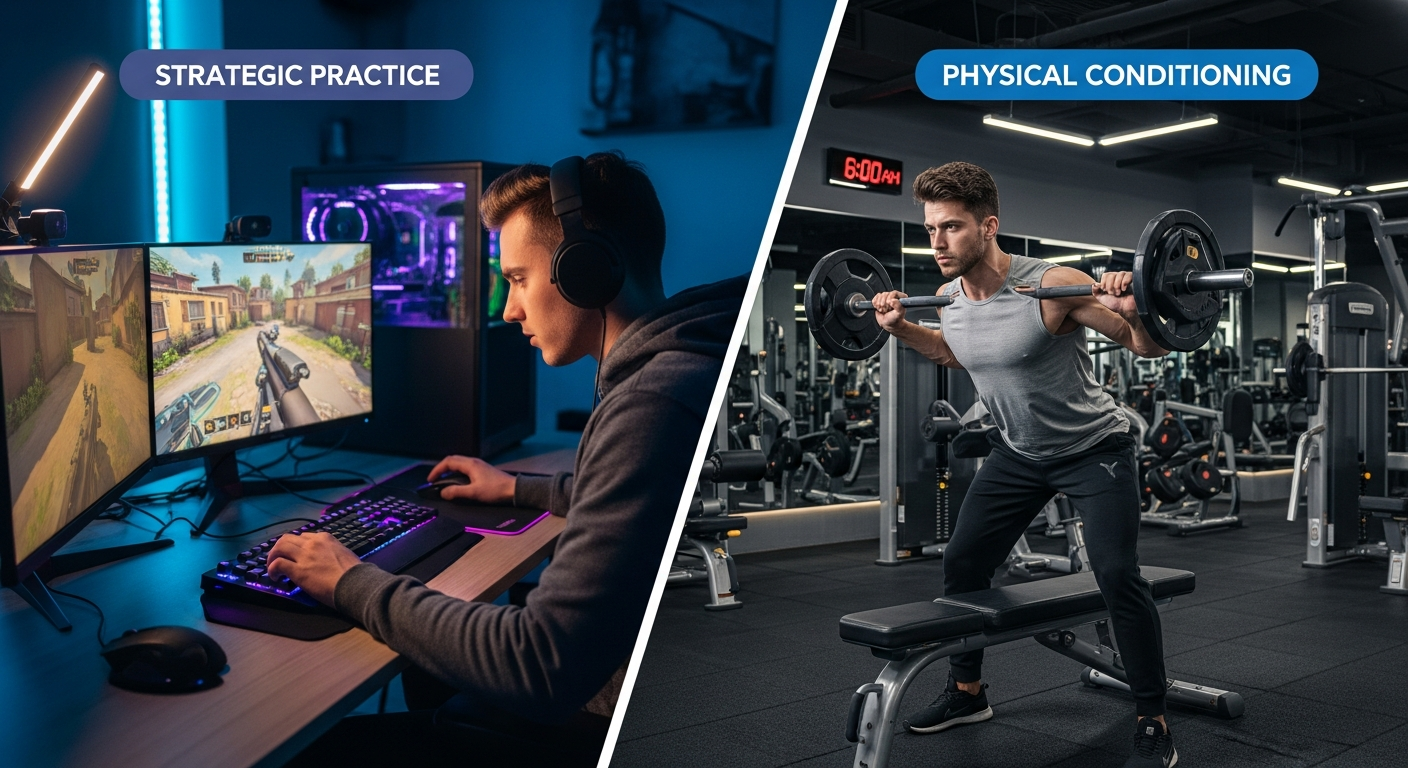
- Physical Fitness: Yes, really. Endurance, stamina, and overall health play a HUGE role. Who knew?
- Mental Fortitude: Managing pressure, staying focused, and bouncing back from losses are critical.
Each of these pillars needs attention. Neglecting one can bring the whole house down.
Mechanical Mastery: Honing Your Digital Dexterity
This is where the traditional “gamer” stereotype starts to fade. Mechanical skill drills aren’t just about playing the game – it’s about isolating specific skills and practicing them relentlessly. Aim trainers like KovaaK's or Aim Lab are common tools. CrazyGames offer many free titles to practice on. Think of it like a basketball player practicing free throws, over and over and over. Same principle, just a different arena. These drills are designed to improve:
- Aim Accuracy: Landing those headshots consistently.
- Reaction Time: Responding to visual and auditory cues almost instantly.
- Muscle Memory: Developing the ability to execute complex actions without thinking.
And it's not just about raw speed. It's about precision and efficiency. Think about a pianist practicing scales. It's not just about playing fast; it's about playing perfectly. It's about developing the coordination and control to execute complex sequences flawlessly, even under pressure. You might be wondering why these drills are so important. Well, it's because they build a foundation of skill that allows players to react instinctively in high-pressure situations. When the stakes are high and the adrenaline is pumping, there's no time to think. You just have to react. And that's where mechanical mastery comes in.
Strategic Game Sense: The Art of Digital Warfare
Okay, let's get one thing straight: esports isn't just about twitch reflexes and lightning-fast fingers. It's also a battle of wits, a strategic dance where every move is calculated and every decision matters. This is where game sense comes in. A pro player doesn't just know the game; they understand it. They see the battlefield as a chessboard, anticipating their opponent's moves and planning their counter-strategies several steps ahead. Let me try to explain this more clearly… Game sense encompasses a number of things:
- Map Awareness: Knowing the layout of the map, spawn points, and key strategic locations.
- Opponent Analysis: Understanding your opponent's tendencies, strengths, and weaknesses.
- Decision-Making: Making the right call in the heat of the moment, based on incomplete information.
How do you develop this? It's a mix of studying, practice, and experience. Pro players spend hours watching replays, analyzing their own mistakes, and learning from the best. They also scrim against other teams, testing out new strategies and refining their game sense in a competitive environment. Consider the Apex Legends Secret Loot Locations to start improving your understanding of the game. I keep coming back to this point because it's crucial to not forget all the different games available.
Think about it this way: you can have the best aim in the world, but if you don't know where to aim, you're just wasting bullets.
Physical and Mental Fortitude: The Underestimated Advantage
Here’s the thing: esports is grueling. Tournaments can last for days, with players competing for hours on end. The pressure is intense, the stakes are high, and the competition is fierce. And that takes a toll – both physically and mentally.
That’s why the best esports players prioritize their physical and mental health just as much as their in-game skills. I mean, it makes sense, right? You can't perform at your best if you're tired, stressed, or burned out.
Physical training helps to improve stamina, endurance, and overall well-being. This might include:
- Cardio: Running, swimming, or cycling to improve cardiovascular health.
- Strength Training: Lifting weights to build muscle and improve posture.
- Stretching: Increasing flexibility and reducing the risk of injury.
Mental training helps to improve focus, concentration, and emotional regulation. This might include:
- Meditation: Practicing mindfulness to reduce stress and improve focus.
- Visualization: Mentally rehearsing scenarios to improve performance under pressure.
- Cognitive Behavioral Therapy: Learning techniques to manage negative thoughts and emotions.
The frustrating thing about this topic is that it’s so often overlooked. People think esports is all about sitting in front of a computer all day, but that's just not the case. The best players understand that their physical and mental health are just as important as their in-game skills. And they train accordingly.
FAQ: Demystifying Esports Training
How often should esports players train?
Ah, the million-dollar question! There's no one-size-fits-all answer. Pro players often dedicate 6-8 hours daily to focused practice. That includes a mix of mechanical drills, strategy study, scrims, and (importantly!) rest. But beginners? Start slower. Maybe 1-2 hours of focused practice, gradually increasing as you improve. Burnout is real, folks. Listen to your body (and mind!). The key thing is to keep improving sensitivity codes.
What's the biggest misconception about esports training?
That it's "just playing games." It's a common misconception, and frankly, a frustrating one. Esports training is a rigorous process that demands dedication, discipline, and a willingness to learn. It's not just about having fun; it's about pushing your limits and striving for excellence.
How important is coaching in esports?
Incredibly important! A good coach can provide valuable guidance, feedback, and support. They can help you identify your weaknesses, develop your strengths, and create a training plan that's tailored to your specific needs. Think of them as the Obi-Wan Kenobi to your Luke Skywalker. They can provide advice about best Free Fire landing spots here.
Can anyone become a professional esports player?
Real talk? Not everyone. Like any professional sport, it takes talent, dedication, and a bit of luck. But that doesn't mean you shouldn't try! If you're passionate about esports and willing to put in the work, then go for it. The worst that can happen is you improve your skills, make some friends, and have a lot of fun along the way.
So, there you have it. A glimpse into the world of esports training. It’s not just about “playing games.” It’s about honing your skills, sharpening your mind, and pushing your limits. It’s about transforming yourself into a digital athlete. And who knows? Maybe one day, you'll be the one standing on that stage, hoisting the championship trophy. Now that would be something, wouldn’t it?

![Peggle [FLASH] Game](https://gamerewardz.com/thumbs/peggle-flash-game_2.webp)