





















Free Fire Tricks to tame that recoil beast: My Slightly Obsessive Journey
Okay, let's be honest. We've all been there, right? You're lining up that perfect headshot in Free Fire, squeeze the trigger, and BAM! Your crosshair decides to take a scenic detour to the sky. Recoil. The bane of every mobile shooter's existence. But hey, don't despair! I’ve spent way too many hours (don't judge!) figuring out how to wrestle that unruly beast into submission. And I'm here to share my hard-earned, slightly-caffeinated wisdom. Think of it as learning from my mistakes so you don't have to make them yourself. I wish someone had told me all of this when I first started playing. I had to search for BGMI UC Offers & Discounts to get better weapons.
The frustrating thing about recoil in Free Fire (and, frankly, in most shooters) is that it's not just about pulling down. Sure, that's part of it. But there's so much more going on under the hood. We are going to unravel all the secrets to master Free Fire.
Understanding Recoil Patterns (and Why They Matter)
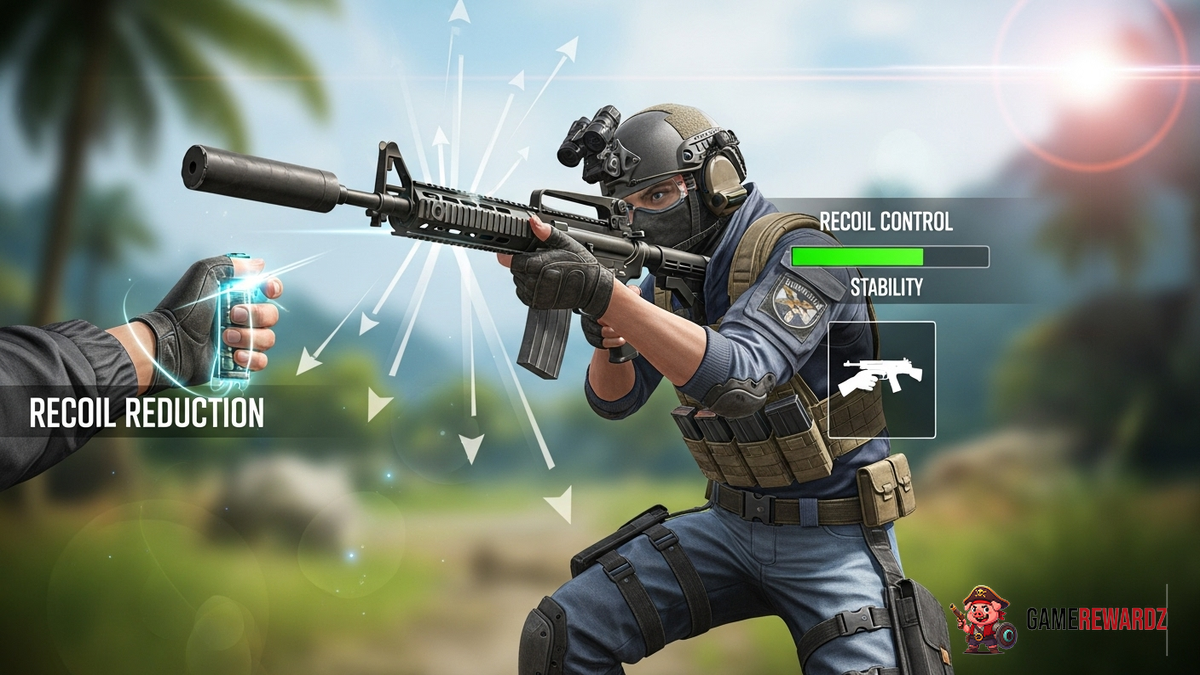
First, the basics. Recoil isn't random. Most weapons have a pattern. Some kick upwards sharply, then veer to the left or right. Others bounce all over the place like a hyperactive toddler. Knowing these patterns is half the battle. Seriously. Mastering recoil is key to winning gunfights.
How do you learn these patterns? Practice, my friend, practice. Head into training mode and just unload magazines into a wall. Watch the bullet holes. See the pattern? Good. Now try to counteract it with your thumb. Actually, that's not quite right... it's more about anticipating it. Because you won't always have time to perfectly correct every single shot. Sometimes you have to build castle in minecraft, but now, let's practice for Free Fire!
Sensitivity Settings: Finding Your Sweet Spot
Here's where things get personal. Sensitivity settings are like your gaming fingerprint. What works for me might not work for you. But let me give you some pointers. Start with lower sensitivities. It gives you more control. Then, slowly bump them up until you find a balance between responsiveness and accuracy. Aim for smooth, controlled movements, not jerky twitches.
And don't forget the scope sensitivities! These are often overlooked, but they're crucial for long-range engagements. I initially thought scope sensitivity wasn't that important, but I was so wrong. After adjusting them, my sniping accuracy improved dramatically.
Weapon Attachments: Your Recoil-Reducing Arsenal
Okay, time for some gear talk. Attachments can make a huge difference. Muzzles, foregrips, stocks – they all play a role in taming recoil. But here's the thing: not all attachments are created equal. Experiment! See what works best for each weapon. A foregrip that's amazing on an AK might be useless on an M4. The more you know, the better you get. By the way, if you want to improve your weapon handling skills, read this post.
I've got to admit, this part fascinates me. The subtle differences between attachments, the way they subtly tweak the weapon's performance. It's like tuning a race car. You're constantly tweaking and adjusting to find that perfect balance.
Practice Drills: From Noob to Pro (Maybe)
So, you know the patterns, you've tweaked your sensitivities, and you've decked out your weapons with attachments. Now what? Practice! Head back into training mode and run some drills. Focus on controlling your bursts. Short, controlled bursts are almost always better than spraying and praying. Move while you shoot. Learn to track moving targets while compensating for recoil. It takes time, but trust me, it's worth it.
And don't just practice in training mode. Jump into some real matches and put your skills to the test. Don't be afraid to fail. Failure is part of the learning process. I remember when I first started trying to control recoil, I was terrible. I died a lot. But I kept practicing, and eventually, it clicked.
FAQ: Let's Tackle Those Recoil Questions
You might be wondering about some specific recoil-related questions. So, here are some of the most common ones I get asked (or, you know, I've asked myself while staring blankly at the screen).
How do I know if my sensitivity settings are right?
Good question! The best way to tell is to pay attention to your accuracy. If you're overshooting your targets, your sensitivity is probably too high. If you're undershooting, it's too low. But here's the thing: it's also about comfort. If a setting feels unnatural, it's probably not right for you. Try spending an hour playing different options in GTA car customization secrets.
Why does recoil seem worse on some devices?
Device performance can definitely affect recoil control. Lower-end devices might have frame rate drops or input lag, which can make it harder to compensate for recoil. Also, screen size can play a role. A larger screen might make it easier to see the recoil pattern, while a smaller screen might make it harder.
What's the best weapon for beginners who are struggling with recoil?
I generally recommend the M4A1 for beginners. It has relatively low recoil and is easy to control. The G36 is a very good weapon that most people ignore! But actually that's not quite right. Because the best weapon is a really personal preference thing. Find out what you like and go from there!
Are there any Free Fire tricks to reduce recoil that involve game settings?
Yes, there are a few! Make sure your graphics settings are optimized for your device. Lowering the graphics settings can improve frame rates and reduce input lag, which can make it easier to control recoil. Also, experiment with different control layouts to see what feels most comfortable for you.
Final Thoughts: Embrace the Chaos (But Control It)
Look, recoil is always going to be a factor in Free Fire. It's part of the game. But with practice, patience, and a little bit of tweaking, you can learn to tame that beast and turn it into an advantage. Don't get discouraged if you don't see results immediately. Just keep practicing, keep experimenting, and keep having fun. And who knows? Maybe one day, you'll be the one giving out tips on how to reduce recoil.











![Peggle [FLASH] Game](https://gamerewardz.com/thumbs/peggle-flash-game_2.webp)