


















Okay, let's talk about weapon recoil in Free Fire. Yeah, that jittery feeling when you're trying to land shots, and your aim is all over the place. The frustrating thing about weapon recoil is that it’s not always obvious what to do about it. You think you're on target, but your bullets tell a different story. We've all been there, right? Spraying and praying is fun and all, but what if we could actually, you know, control things a little better?
I initially thought recoil control was all about having the right attachments, and while that's definitely part of the equation, there's so much more to it. It's a whole skillset, and mastering it can seriously up your game. I've got to admit, this part fascinates me – how a few tweaks can make such a massive difference.
Understanding Recoil Patterns
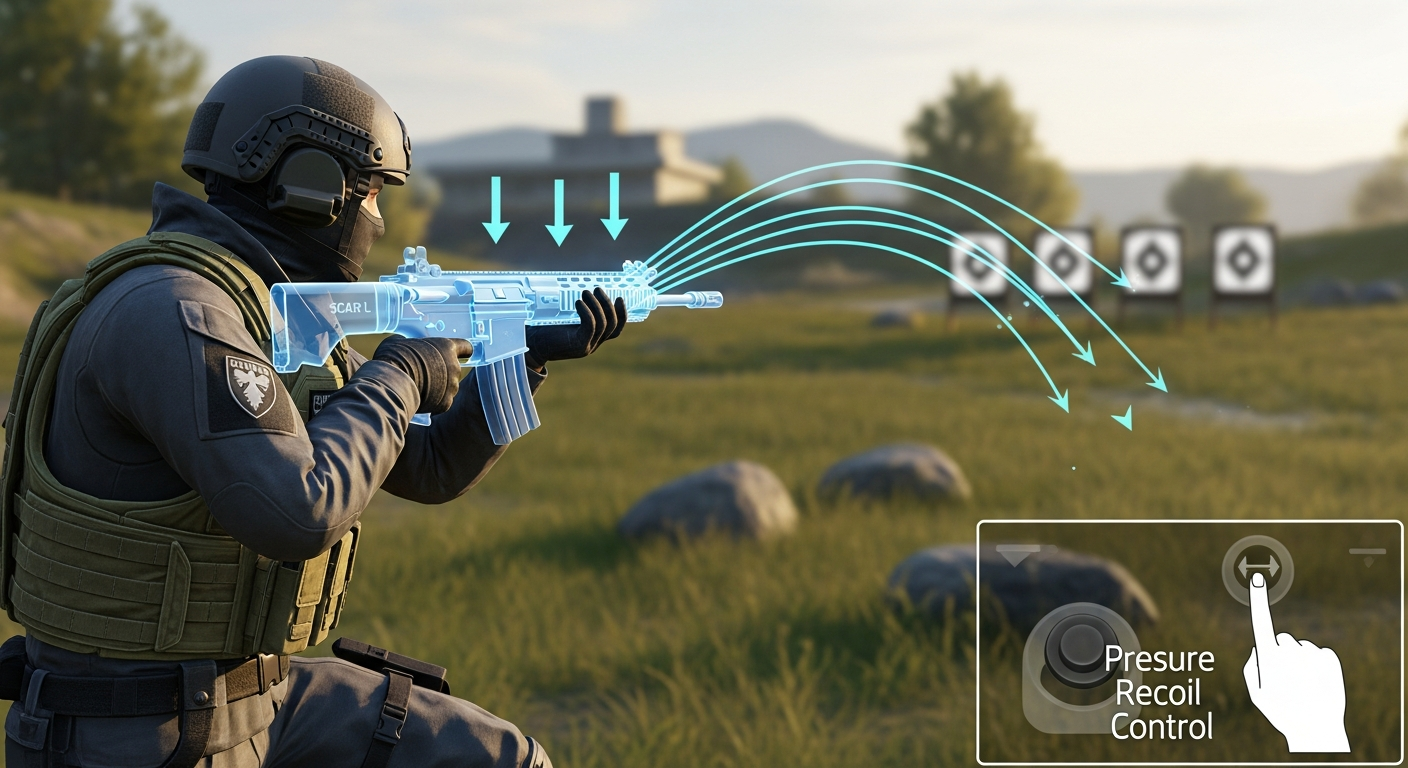
So, what's the deal with these patterns? Every gun in Free Fire has a unique recoil signature. Think of it like a fingerprint, but for bullets. Some guns kick upwards and to the right. Others might sway left and right, or even create a more erratic, zigzag pattern. Understanding these patterns is the first step. It’s like learning the dance your gun does every time you pull the trigger. And once you know the dance, you can start to lead.
But here's the thing: simply knowing the pattern isn't enough. You need to feel it. Spend some time in training mode with different guns, just emptying magazines and observing what's happening. Watch the bullet tracers. Pay attention to how your crosshair moves. Get intimate with your weapons, you know? Okay, maybe that's a little too far, but you get the idea.
Essential Recoil Reduction Techniques
Let me try to explain this more clearly…recoil reduction is a skill you can develop. It's like learning to ride a bike – wobbly and frustrating at first, but smooth sailing once you get the hang of it. Several techniques are involved, and each contributes to better control.
Mastering Thumb Movement: First up, thumb movement. This is the bread and butter of recoil control. As you fire, gently pull down on the screen to compensate for the upward recoil. The amount of downward pressure you need will vary depending on the gun and its recoil pattern. It's a dance between feel and prediction.
Burst Fire vs. Full Auto: Next, burst fire is your friend. Instead of holding down the trigger and unleashing a hail of bullets, try firing in short, controlled bursts. This gives you more time to readjust your aim and keep your shots on target. It's all about quality over quantity.
And then there's the crouch and prone positions. Crouching reduces recoil slightly, providing a more stable platform for your shots. Going prone (lying down) reduces it even further, but it also makes you a sitting duck. Use these positions strategically, depending on the situation. Actually, that's not quite right... the best position depends on your playstyle.
Attachments: Your Best Friends
Attachments are where things get interesting. Different attachments can significantly reduce recoil, improve stability, and enhance your overall accuracy. Muzzles, foregrips, and stocks are your primary tools here. A good muzzle can tame even the wildest of guns, while a foregrip reduces horizontal recoil, making your shots more predictable. Stocks improve stability, further reducing recoil and sway. Find out about available attachments at a gaming resource like CrazyGames.
Now, the tricky part is figuring out which attachments work best for each gun. Experiment! Don't be afraid to try different combinations and see what feels right for you. There are tons of videos on YouTube that show optimal attachment builds for various weapons. But remember, what works for one person might not work for another. So, find what clicks with your playstyle.
And remember, attachments alone won't magically turn you into a pro. They're tools, not crutches. You still need to put in the time and effort to master the techniques we talked about earlier.
Speaking of time and effort, here's a link to another blog post that might interest you: Win More PUBG Mobile Solo Matches
Fine-Tuning Your Sensitivity Settings
Sensitivity settings. Oh boy. This is where things get really personal. Your sensitivity settings determine how quickly your crosshair moves when you swipe your screen. Finding the right sensitivity is crucial for recoil control. If your sensitivity is too high, you'll likely overcorrect, making your aim even worse. If it's too low, you won't be able to react quickly enough to control the recoil.
There's no one-size-fits-all answer here. What works for me might not work for you. But here's a tip: start with a moderate sensitivity and then gradually adjust it until you find a sweet spot. Spend some time in training mode, practicing with different sensitivity settings until you find what feels most comfortable and responsive.
But wait, there's something even more interesting here…different scopes have different sensitivity multipliers. This means that your sensitivity will feel different depending on the scope you're using. For example, a 4x scope will magnify your movements, making your sensitivity feel higher. You'll need to adjust your sensitivity settings accordingly to compensate for these differences. The frustrating thing about this topic is that there are so many variables involved. But that's what makes it fun, right?
FAQ: Taming the Beast - Common Recoil Questions
How do I know if I'm pulling down too much?
Good question! If you're pulling down too much, you'll notice your crosshair dipping below your target. The bullets will land low. It takes practice to find the right balance. Start by practicing with a fixed target, focusing on keeping your crosshair steady on the target as you fire. It's a subtle movement, not a drastic yank.
Why does recoil feel different on different devices?
Device performance can definitely impact recoil. A lower frame rate can make recoil feel more jerky and unpredictable. If you're playing on an older device, try lowering your graphics settings to improve performance. Also, the size and sensitivity of your touchscreen can influence your control. Smaller screens can make fine adjustments more difficult. Some players even use external controllers or accessories to improve their aiming precision.
Is there a "best" weapon for recoil control?
Not really. Some weapons inherently have lower recoil than others (like SMGs compared to assault rifles), but it's more about personal preference and mastering the recoil pattern of your preferred weapon. The M416 is often cited as a relatively stable weapon, but that doesn't mean it's the best for everyone. Experiment with different weapons and find the ones that feel most comfortable to you.
Can attachments completely eliminate weapon recoil?
Nope. Attachments can significantly reduce recoil, but they can't eliminate it completely. Recoil is an inherent part of the game, and it's designed to add a challenge to aiming and shooting. Even with the best attachments, you'll still need to compensate for recoil by using proper techniques like thumb movement and burst fire.
See, mastering weapon recoil in Free Fire is a journey, not a destination. It takes time, practice, and a willingness to experiment. But trust me, it's worth it. Once you get the hang of it, you'll be landing more shots, winning more fights, and climbing the ranks like a pro. Here is another interesting article.









![Peggle [FLASH] Game](https://gamerewardz.com/thumbs/peggle-flash-game_2.webp)