















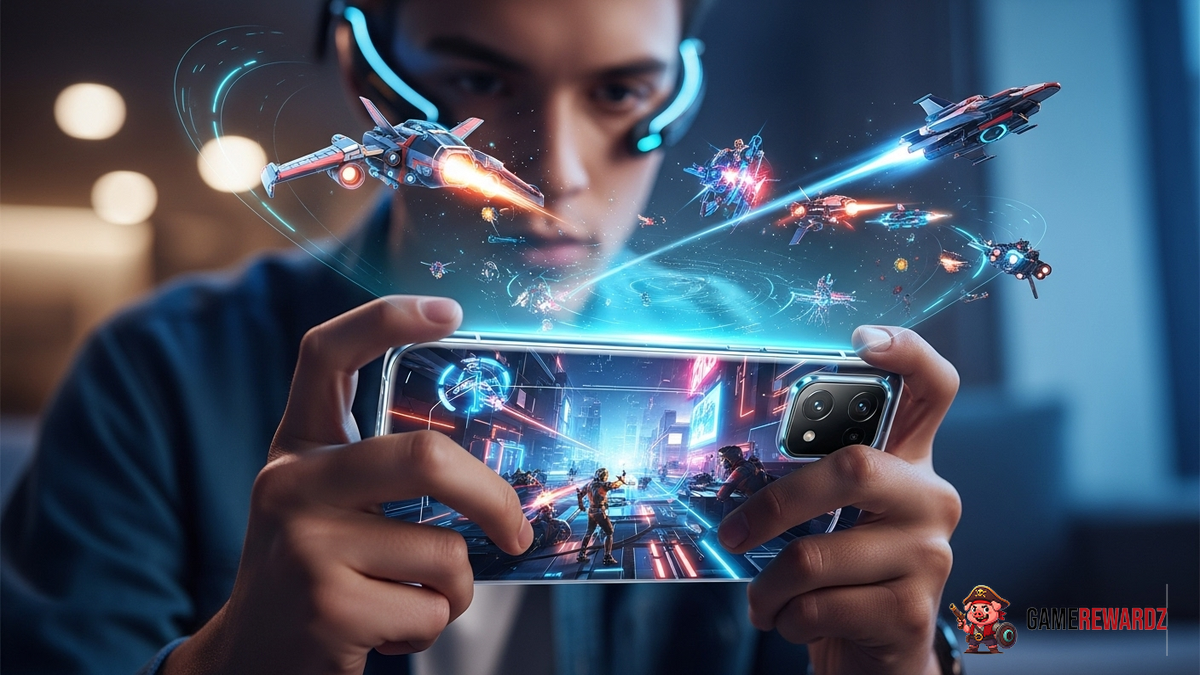
Okay, let's be real. Predicting the future is a mug's game. But that doesn't stop us from trying, does it? Especially when it comes to mobile gaming. The sheer pace of innovation in this space is enough to make your head spin. One minute you're mastering Candy Crush (no judgement!), the next you're watching fully-fledged AAA titles squeeze their way onto your phone. I've been following this industry closely for, well, longer than I care to admit, and I've seen some wild shifts. So, let's dive in, shall we? What does the shimmering, slightly blurry Future of Mobile Gaming 2025 actually look like?
Cloud Gaming Takes Center Stage (Maybe)
Here's the thing: cloud gaming has been "the next big thing" for, like, five years now. But it feels like we're finally on the cusp of it becoming truly mainstream. The promise is seductive, right? Play any game, anywhere, on any device, without needing a super-powered rig. Companies like Xbox and NVIDIA have been pushing hard with their cloud services, and with 5G becoming more widespread, the infrastructure is (slowly) catching up. But...and there's always a but, isn't there...latency is still the big demon. Even a tiny bit of lag can completely ruin a fast-paced action game. We need to reach a point where the experience is indistinguishable from playing locally. But, if the connectivity improves, expect see a shift towards cloud gaming, like you can play some of the amazing games found at Crazy Games.
Actually, that's not quite right. I should clarify: Cloud gaming won't replace local installs entirely. Instead, it'll become another option, especially for players who want to try out a game before committing to a download, or those who don't have the latest and greatest hardware. Think of it as the Netflix of gaming – a vast library at your fingertips.
The Rise of Hyper-Casual 2.0
Hyper-casual games aren't going anywhere. These super-simple, addictive titles are a staple of the mobile gaming diet. But I think we're going to see a refinement, a sort of Hyper-Casual 2.0. Expect more depth, more meta-game elements, and more sophisticated monetization strategies. I remember when these approach first emerged. Games like Among Us showed that you can have incredibly simple mechanics with a huge social element, and that's something we'll see more of. The frustrating thing about this topic is, that it is always hard to predict, if the games will have success. After all, there are thousands of hyper-casual games out there. It is really hard to get visibility for them.
AR/VR: Still Waiting in the Wings?
Augmented and virtual reality. The perennial "future of gaming." Look, I'm a believer in the long-term potential of AR/VR, but I've got to admit, it's been a slow burn. The technology is improving, the headsets are becoming more affordable (relatively speaking), and there are some genuinely cool AR games out there. But mass adoption? Still a ways off, I think. The biggest hurdle is still the social aspect. Gaming is, for many people, a social activity. And strapping on a headset tends to isolate you. That said, I am keeping a close eye on Apple's movements in the AR space. If anyone can bring AR to the masses, it's them. Maybe the next big thing is AR cloud gaming? You might be wondering, what that is? This could actually work, if done right. And if it is done right, we will be having a lot of fun with this.
Monetization Models: Finding the Balance
Ah, monetization. The elephant in the room. Let's be honest, nobody likes in-app purchases or aggressive ads. But they're a necessary evil, at least for now. The challenge for developers is finding that sweet spot between generating revenue and not alienating players. And think about it this way, a game studio needs to earn money. Otherwise they won't be able to make games! It is all business at the end of the day. I think we'll see more creative monetization models emerge in the coming years. Think subscription services, cosmetic-only purchases, and maybe even blockchain-based economies where players can earn real money. Now, I'm not a huge fan of NFTs, but I do think there's potential for blockchain technology to revolutionize the way we think about in-game assets. If you are interested in gaming strategies, then consider reading through this article: PUBG Mobile Chicken Dinner Strategy.
And let me try to explain this more clearly: The key is giving players a sense of value. If they feel like they're getting something worthwhile in return for their money, they're much more likely to spend it. It's all about building trust and creating a positive player experience. It is a thin line and requires developers to be really sensitive. Game developer who are to aggressive with monetization have the risk to be punished by the players.
The Continued Evolution of Esports on Mobile
Mobile esports are already huge in some parts of the world, particularly in Asia. And I think we'll see them continue to grow in popularity globally. Games like PUBG Mobile and Mobile Legends: Bang Bang have massive competitive scenes, with millions of viewers tuning in to watch tournaments. As mobile gaming technology improves, the esports experience is also improving. Now that mobile technology is more advanced, the experience is also more appealing. We also see a lot of new esports games coming up which will make the competition in the scene grow even more. If you are interested in other gaming formats, then check out this article: Best Fortnite Weapons Ranked.
The key to success here is accessibility. Mobile esports are easy to watch, easy to play, and easy to get involved in. You don't need a fancy gaming PC or console. All you need is a smartphone and an internet connection. This makes it a much more inclusive and accessible form of esports, which is why I think it has so much potential.
FAQ: Your Burning Questions Answered
Will mobile games ever be as good as console games?
That's a loaded question! It really depends on what you mean by "good." In terms of raw graphical power, consoles still have a significant edge. But mobile games are catching up fast, and they offer a level of portability and convenience that consoles simply can't match. Plus, many mobile games are designed specifically for the mobile platform, taking advantage of touch controls and other unique features. So, while mobile games may not always be as visually impressive as console games, they can be just as fun and engaging.
How will the Future of Mobile Gaming 2025 affect older gamers?
That's a great question! As mobile gaming becomes more sophisticated, there's a risk that it could leave older gamers behind. But I think developers are becoming more aware of the need to cater to a wider audience. We're seeing more games with adjustable difficulty levels, simpler control schemes, and tutorials that are designed to be easy to understand. Plus, there are plenty of classic games that have been ported to mobile, offering a nostalgic experience for older gamers. The goal is that mobile gaming should be fun for everyone, regardless of age or skill level.
Is cloud gaming really going to take off?
That's the million-dollar question, isn't it? There are still some significant challenges to overcome, particularly in terms of latency and internet connectivity. But the potential benefits of cloud gaming are undeniable. The ability to play any game, anywhere, on any device is incredibly appealing. If these problems can be resolved, then I think it has a very bright future. I mean, what could be better?
Are mobile games actually becoming more expensive?
While some premium mobile games can be quite pricey, there are also plenty of free-to-play options available. The key is to be smart about how you spend your money. Don't feel pressured to make in-app purchases. And always be aware of the potential for "pay-to-win" mechanics, where players who spend more money have an unfair advantage. Ultimately, the cost of mobile gaming is up to you.
So, there you have it. A slightly blurry, somewhat speculative glimpse into the future of mobile gaming. One thing's for sure: it's going to be an exciting ride. Buckle up!








![Peggle [FLASH] Game](https://gamerewardz.com/thumbs/peggle-flash-game_2.webp)