













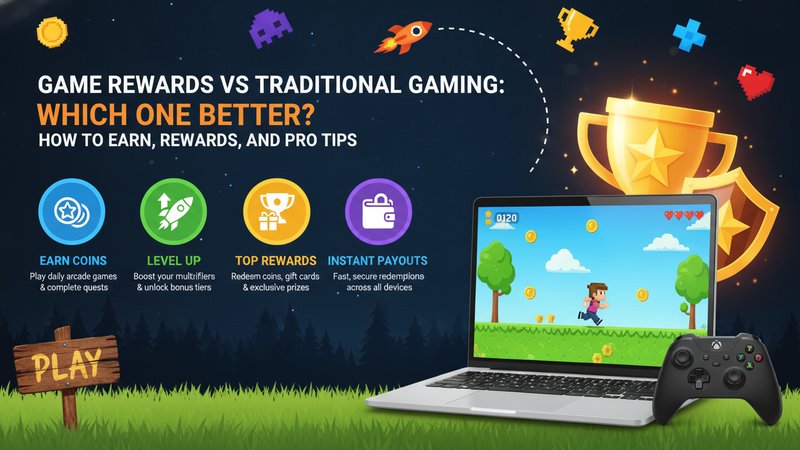
When comparing game rewards vs traditional gaming, you're looking at two completely different ways to spend your screen time. One focuses on giving you tangible perks like gift cards and points while you play, while the other centers entirely on rich storylines and deep entertainment. We tested both setups extensively over several months to break down how they stack up in daily practice.
Key Takeaways
- Reward gaming platforms pay out gift cards, virtual currency, or cash points for completing simple tasks and levels.
- Traditional gaming relies on buying complete games upfront or via subscriptions purely for narrative and competition.
- Reward systems fit casual play sessions on mobile or web browsers, whereas standard console or PC games take longer time commitments.
- You can combine both styles if you want to balance casual earnings with deep story-driven sessions.
What Is Game Rewards Gaming?
Game rewards gaming turns standard gameplay into a tangible reward loop. Instead of playing just to defeat a boss or climb a leaderboard, you earn points for every quest, match, or level you finish. On platforms like Game Rewardz, you accumulate digital tokens that convert into real prizes such as $5 gift cards, digital vouchers, or in-game items. We tracked our time on these systems and found that hitting 1000 points typically takes about 2 to 3 hours of focused casual play.
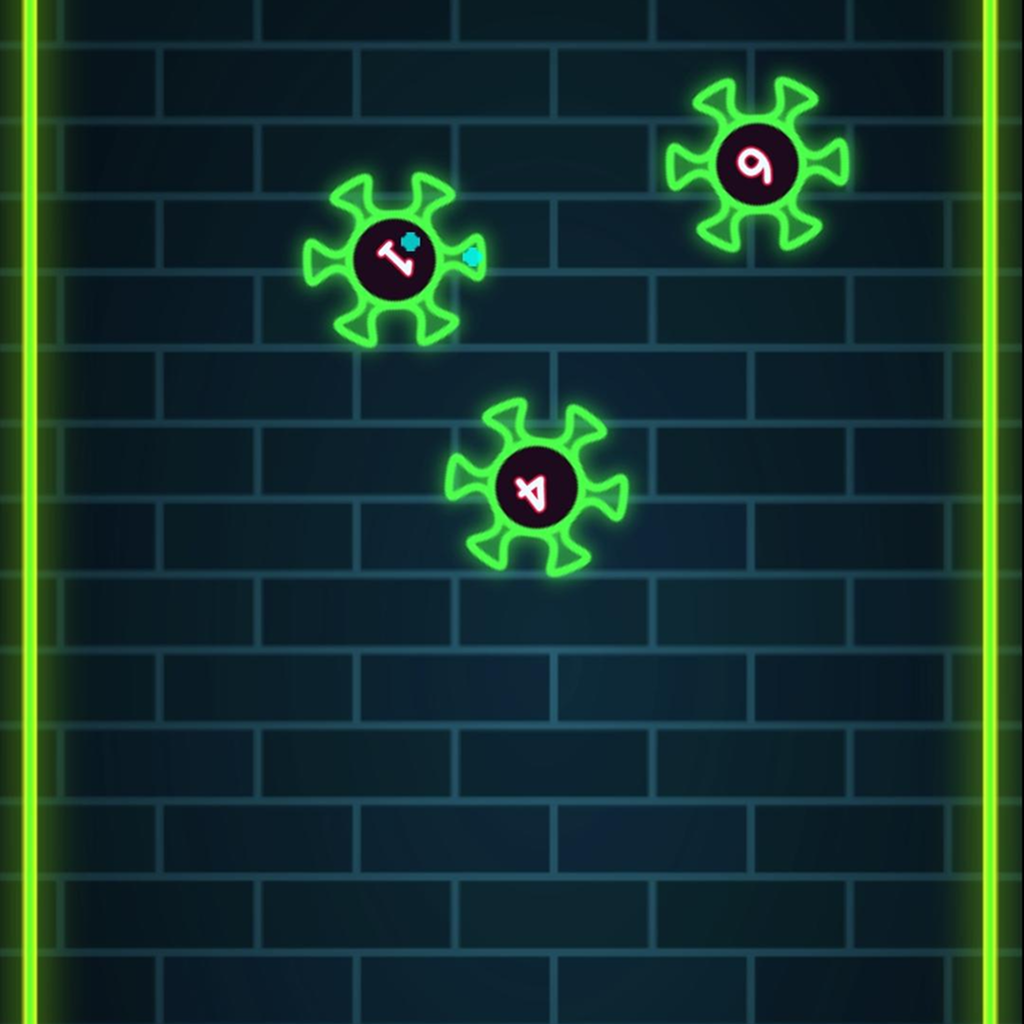
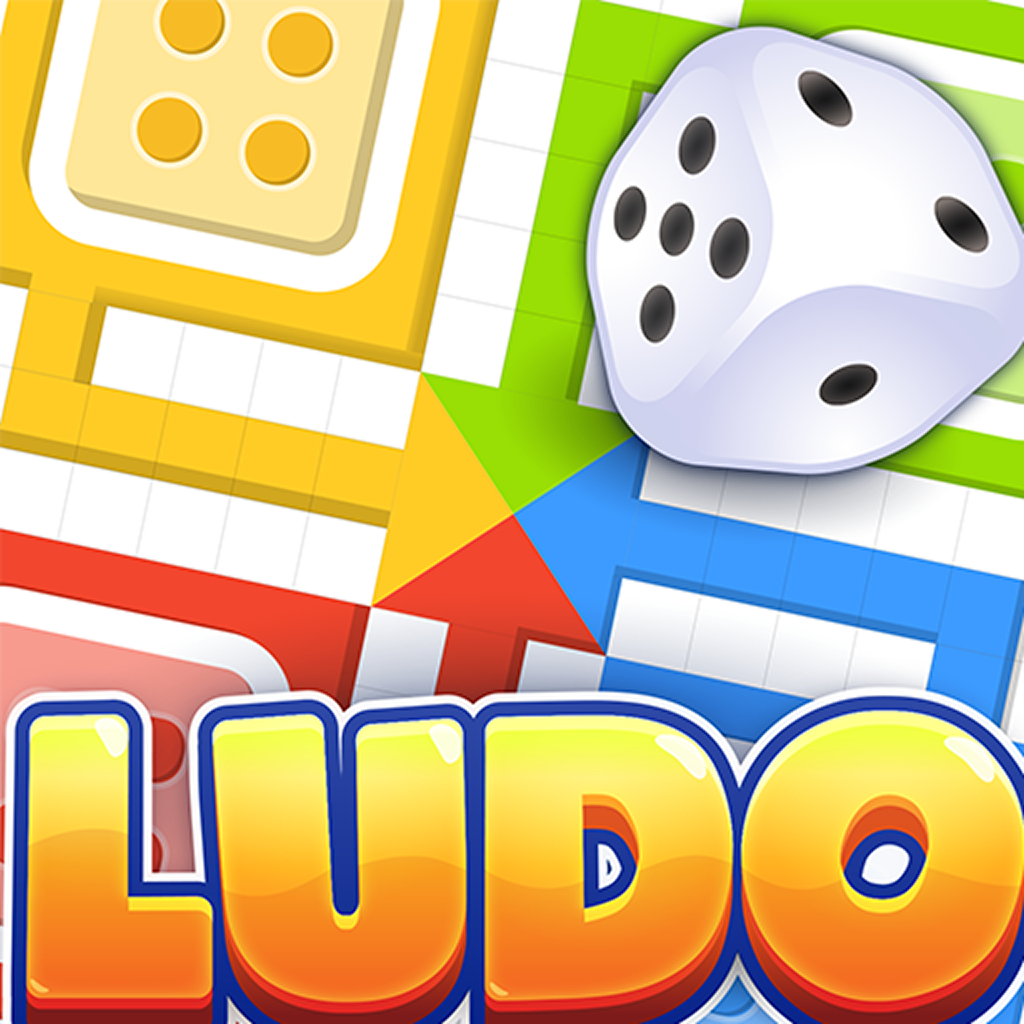
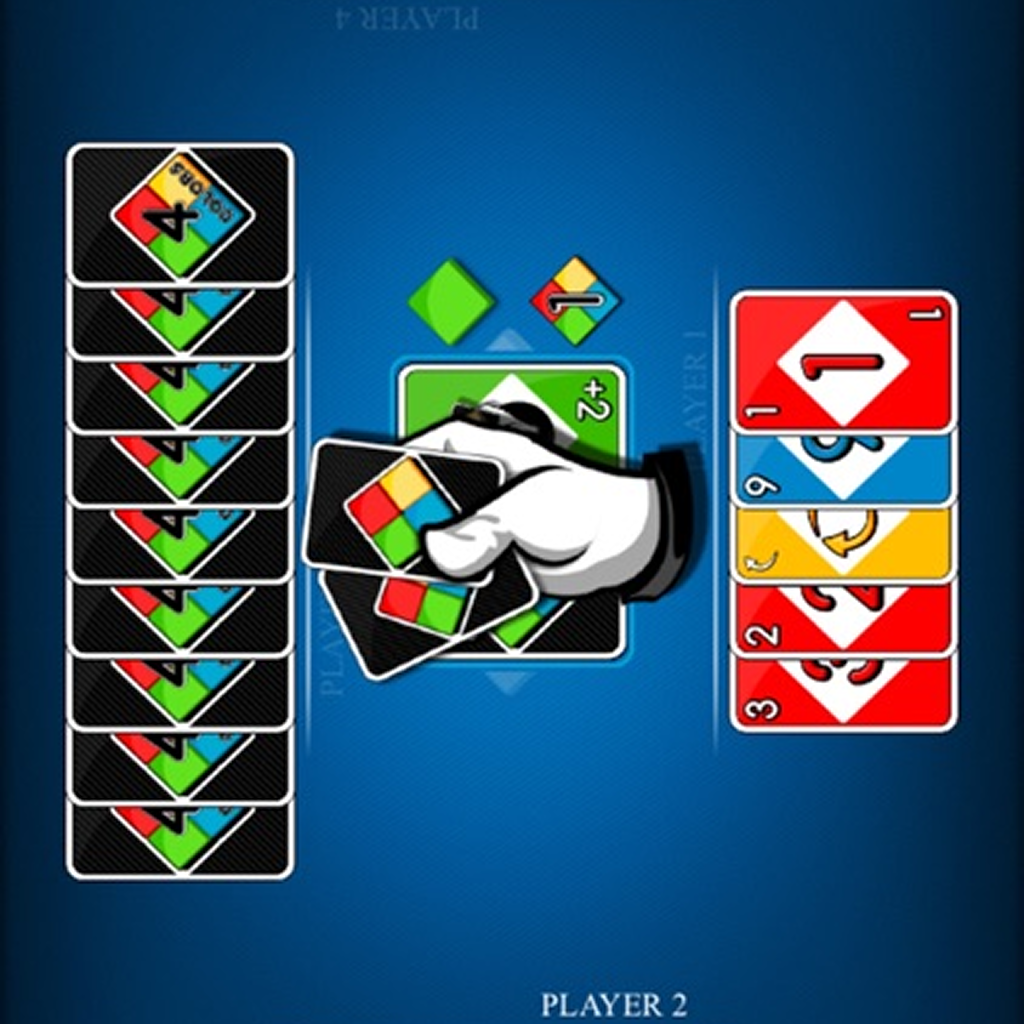
These games are usually accessible on mobile devices or standard web browsers without needing massive storage downloads. So, you don't need a high-end setup to jump right in during a lunch break or bus commute. Most tasks center around arcade puzzles, quick card games, or basic strategy challenges. Because the mechanics stay simple, you're never forced to memorize complex 40-button combinations just to move forward.
Another detail that jumps out is how transparent the progression systems are. You always know how many points a task delivers before you hit start. If a mission offers 250 points for reaching level 10, you can calculate exact payout ratios before sinking time into it. To dive deeper into these mechanics, check out our practical tips on earning gaming rewards without spending money.
Still, it's worth noting that reward-based play isn't aimed at high-octane esports competitors. You won't find massive graphics engines or cinematic cutscenes here. The focus stays directly on fast feedback loops and payout metrics. That makes it ideal for players who want their gaming time to produce extra perks without dropping $70 on a boxed software launch.
What Is Traditional Gaming?
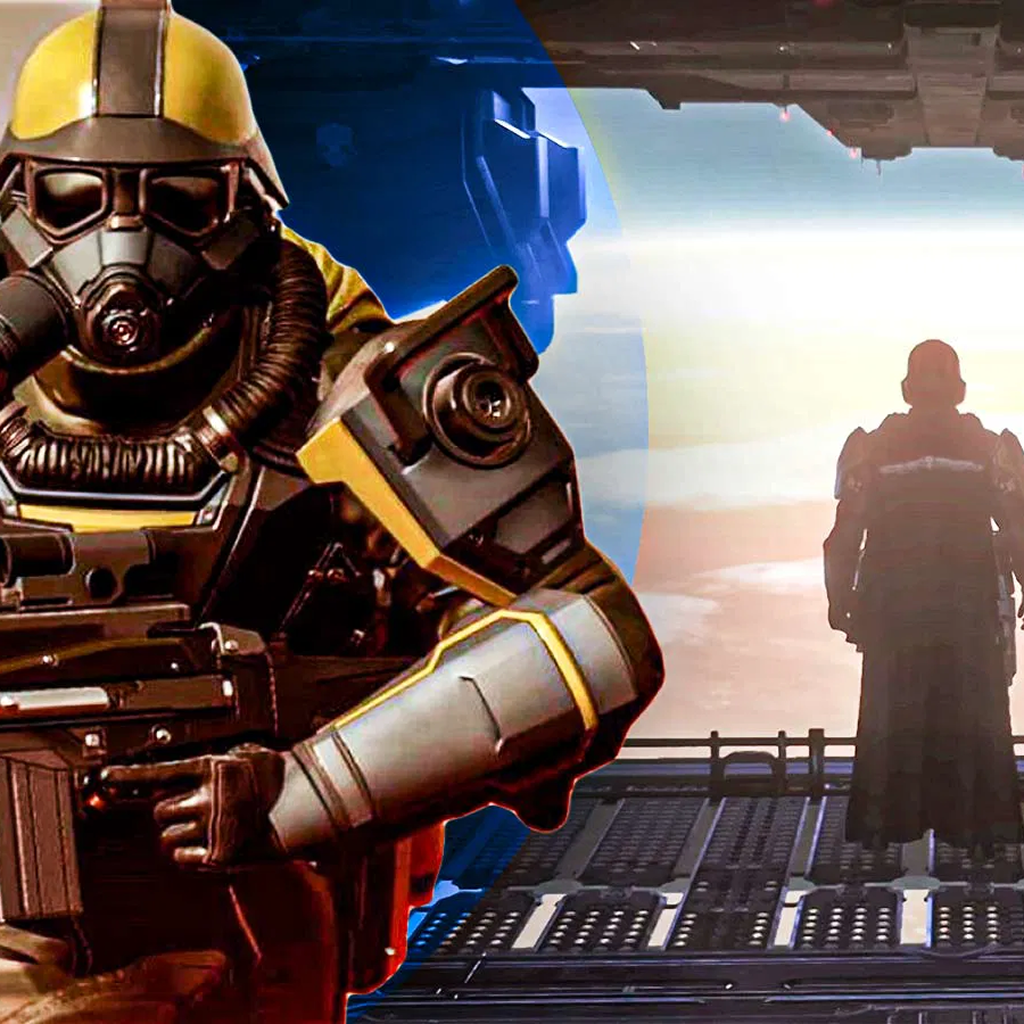
Traditional gaming represents the classic model we've known for decades. You buy a game on console, PC, or handheld, download the files, and play purely for entertainment. Whether it's an open-world adventure spanning 80 hours or an intense multiplayer shooter, the sole return on your time is fun, skill mastery, and story progression. You don't earn external gift cards or cash payouts for beating a level.
The upfront cost structure is the biggest factor here. Modern AAA games cost anywhere from $60 to $70 at launch, and hardware like consoles or desktop rigs often runs between $400 and $1500. But in exchange for that investment, you get immersive sound design, intricate storylines, and mechanics that test twitch reflexes or strategic planning over hundreds of hours.
We spent dozens of hours testing competitive shooters and story games to measure the difference in player focus. Traditional games demand your full attention. You can't really pause an online multiplayer match to answer a text without penalizing your team. So, the experience is far more active and demanding compared to casual reward platforms.
Because there's no monetary prize attached to your performance, the satisfaction comes from overcoming difficult challenges. Beating a tough boss after 12 failed attempts feels fantastic, but your bank account or gift card wallet stays exactly the same. If you want to maximize what you get out of existing playtime, read our guide on how to earn more rewards while playing your favorite games.
Game Rewards vs Traditional Gaming – What's the Difference?
To help you see how these two approaches stack up side by side, we put together a breakdown of their primary traits and operational costs.
Comparison Point | Game Rewards | Traditional Gaming |
|---|---|---|
Type | Incentive-based casual play | Entertainment-focused software |
Main Gameplay | Puzzles, quick arcade, mini-tasks | Deep campaigns, multiplayer, open worlds |
Main Goal | Accumulate points and redeem perks | Complete stories, master skills, win matches |
Key Features | Task tracking, point counters, instant redemption | High graphics fidelity, deep lore, voice acting |
Difficulty | Low to moderate | Moderate to extremely high |
Game Variety | Browser puzzles, mobile arcade, trivia | RPGs, FPS, simulation, sports, strategy |
Best For | Casual players wanting extra value | Core gamers seeking deep immersion |
The real difference comes down to intent and payout structures. When you log into a reward platform, your time translates directly into trackable digital assets. You're trading spare minutes for small financial return or store vouchers. For an in-depth breakdown of these platforms, check out our detailed comparison of reward-based platforms.
Traditional games don't offer external financial payouts because their value lies in emotional engagement and cinematic storytelling. When you spend 50 hours in an open-world RPG, the return is the journey itself. So, if you're looking for high-end narratives, traditional titles win every time. But if you hate feeling like your free time produces zero physical return, reward platforms bridge that gap nicely.
Accessibility plays a huge role as well. Most reward games run directly inside web browsers without hardware constraints. You can read our overview of browser-based HTML5 titles to see how instant loading changes casual sessions. Traditional gaming usually requires downloading 60GB to 100GB installation files before you can play a single second.
Which One Should You Choose?
Choosing between these two models doesn't mean you have to lock yourself into one forever. Your choice really depends on what you want out of a given session.
- Choose Game Rewards if: you have 15 to 30 spare minutes during the day, don't want to buy expensive gaming hardware, and love collecting gift cards or points while clearing puzzle stages.
- Choose Traditional Gaming if: you want complex storylines, high-definition graphics, competitive ranked modes, and don't mind paying $60 or $70 upfront for software.
We've found that mixing both approaches gives you the best flexibility. You can grind out reward tasks on your phone while commuting, then relax in front of a console campaign on the weekend. It's all about matching the game style to your budget and schedules.
Conclusion
When weighing game rewards vs traditional gaming, there's no single winner for every player. Reward-based gaming shines for quick sessions, zero initial hardware costs, and tangible gift card payouts. Traditional gaming stays superior for deep narrative immersion, high skill ceilings, and graphical power. Pick the option that fits your current schedule, or run both side by side to get the benefits of both worlds.
Frequently Asked Questions
Can you actually earn real money with game rewards?
Yes, reward platforms payout points that convert into gift cards, PayPal cash, or digital store vouchers. You won't replace a full-time salary, but earning $10 to $30 a month in spare time is standard.
Do traditional games offer any real-world rewards?
Standard traditional games don't offer direct cash or gift card redemptions for normal play. Outside of professional esports tournaments or content creation, gameplay progression stays strictly inside the game universe.
Are game reward platforms free to join?
Legitimate reward gaming platforms like Game Rewardz are completely free to use. You earn points by playing games and completing daily tasks without paying upfront subscription fees.










![Peggle [FLASH] Game](https://gamerewardz.com/thumbs/peggle-flash-game_2.webp)