


Okay, let's be real. We've all been there. You're in the heat of the moment, the final circle is closing, and you know you saw that enemy first. But somehow, they react faster. They aim better. And BAM! You're back in the lobby, wondering what went wrong. Improving reflex and aim in gaming? It’s the holy grail, isn’t it?
I used to think it was all just raw talent. Some people are just born with lightning-fast reflexes. And, sure, genetics probably play a role. But after years of playing, coaching, and obsessively researching this stuff, I've realized that it's way more about training and technique than innate ability. Think of it like this: even Mozart had to practice, right?
So, where do we start? Well, not with some miracle cure or secret cheat code, sadly. It's about understanding the fundamental building blocks and then building a system that works for you. Because here's the thing: what works for a pro player might not work for you, and that’s okay. It’s about finding your sweet spot, optimizing your gameplay. Let's dive in, shall we?
Understanding Reflex Speed for Gaming
First, let's get one thing straight: reflex speed isn't just about how quickly you can click a mouse button. It's a whole chain of events. You see something (visual input), your brain processes it (cognitive function), and then you react (motor skills). The faster each of these steps, the faster your overall reaction time. As explained at CrazyGames, there are so many games to test and improve your skills.
Now, you might be wondering, “Can I actually train my reflexes?” Absolutely! Think of it like learning an instrument. At first, it feels clunky and awkward. But with practice, your brain forms new neural pathways, making the process more efficient. Your brain literally rewires itself! I've got to admit, this part fascinates me.
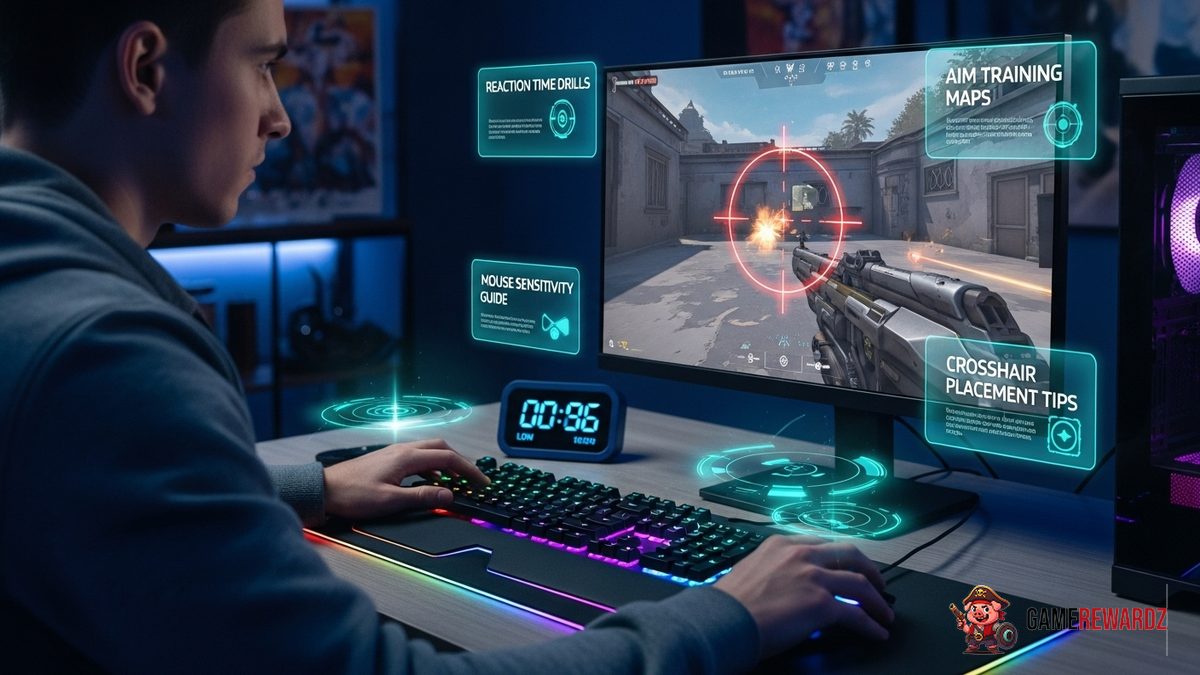
One effective way to train reflexes is through specialized software or websites that present visual or auditory stimuli and measure your reaction time. The key is consistency. Short, focused sessions are much more effective than long, infrequent ones. Aim for 15-20 minutes a day. It's like going to the gym for your brain. But don't overdo it! Fatigue can actually slow you down. Listen to your body (and your mind!).
Aim Training Techniques That Actually Work
Okay, reflexes are important, but what about aim? After all, even the fastest reaction time won't help you if you can't hit your target. The frustrating thing about aim training is that there's no one-size-fits-all solution. What works for one person might not work for another. But there are some core principles that apply to everyone.
First, find the right sensitivity. This is HUGE. Your sensitivity determines how much your crosshair moves in relation to your mouse movement. Too high, and you'll be all over the place. Too low, and you won't be able to react quickly enough. Experiment until you find a sensitivity that feels comfortable and natural. Many gamers recommend starting with a lower sensitivity and gradually increasing it until you find your sweet spot. But hey, whatever works for you!
And speaking of equipment, don't underestimate the importance of a good mouse and mousepad. A quality mouse will track your movements accurately, while a good mousepad will provide a smooth and consistent surface. Trust me; it makes a difference. I remember when I upgraded my setup years ago – it felt like I was playing a completely different game!
There are countless aim training programs out there, but the best ones focus on building muscle memory. This means practicing the same movements over and over again until they become automatic. Think of it like learning to ride a bike. At first, you have to consciously think about every movement. But eventually, it becomes second nature. You just do it. Aim training is the same way. For hidden locations of items in certain games, check this guide here
The Mind-Body Connection: Focus and Mental Strategies
Let's not forget the mental side of things. Your mindset can have a huge impact on your performance. If you're stressed, anxious, or distracted, your reflexes and aim will suffer. It's just a fact. So, how do you stay focused and calm under pressure?
One technique is mindfulness meditation. Before you roll your eyes, hear me out. Mindfulness meditation is simply the practice of paying attention to the present moment without judgment. It can help you quiet your mind, reduce stress, and improve your focus. Even just a few minutes of meditation a day can make a big difference.
Another important factor is sleep. This might seem obvious, but it's often overlooked. When you're sleep-deprived, your reflexes slow down, your aim becomes shaky, and your decision-making suffers. Aim for 7-8 hours of sleep a night. Your brain (and your K/D ratio) will thank you.
And finally, remember to take breaks. Gaming for hours on end can lead to fatigue and burnout. Step away from the screen every hour or so to stretch, walk around, or just clear your head. Trust me; you'll come back feeling refreshed and ready to dominate. And sometimes the best way to dominate is with a high tier weapon
Gaming Tips: How to Improve Reflex & Aim - FAQs
How do I know if my mouse sensitivity is too high or too low?
Good question! A simple test is to try tracking a moving target on screen. If you find yourself overshooting or undershooting the target, your sensitivity is probably too high or too low, respectively. Experiment with small adjustments until you find a setting that allows you to track smoothly and accurately.
Why aren't my reflexes improving despite consistent training?
There could be several reasons. Are you getting enough sleep? Are you stressed or anxious? Are you using proper form and technique? It's also possible that you've hit a plateau. Try switching up your training methods or taking a break for a few days to let your brain recover. The key is to be patient and persistent. Also, make sure you are hydrated and not playing for long periods of time. The body needs rest to be at its best.
Is there a “best” sensitivity setting for all games?
Nope! What works well in one game might not work well in another. Different games have different movement mechanics and aiming styles. The best approach is to experiment with different sensitivities in each game until you find one that feels comfortable and natural.
Does equipment really matter, or is it all just marketing hype?
While skill is the most important factor, equipment can make a difference. A good mouse will track your movements accurately, a good keyboard will respond quickly, and a good monitor will provide a clear and responsive display. However, don't fall into the trap of thinking that buying the most expensive gear will automatically make you a better player. Focus on improving your skills first, and then upgrade your equipment as needed.
So, there you have it. Improving reflex and aim in gaming is a journey, not a destination. It takes time, effort, and dedication. But with the right techniques and the right mindset, anyone can improve their skills and climb the leaderboards. Now get out there and start practicing!


![Peggle [FLASH] Game](https://gamerewardz.com/thumbs/peggle-flash-game_2.webp)