





















Okay, let's be real. We've all been there in BGMI. You spot an enemy, open fire, and your bullets are doing everything BUT hitting your target. The dreaded recoil strikes again! The thing about mobile gaming, unlike say a keyboard mouse setup, is we're all at a disadvantage. But don't sweat it, because I've spent way too much time figuring out how to tame that beast. It's not just about spraying and praying; it's about control, technique, and a little bit of knowing your weapons. And hey, maybe a touch of luck too! But mostly not luck. Let's dive in, shall we?
Understanding Recoil Patterns (The Key, Really)
Here's the thing: every gun in BGMI has its own unique recoil pattern. Sounds obvious, right? But understanding these patterns is half the battle. Some guns kick straight up, others veer to the left or right, and some do a wild dance that would make even a seasoned dancer dizzy. The frustrating thing is, even the same gun on different setups might feel a bit different. So get used to your own devices and setups. How do you learn these patterns? Practice, practice, practice! Head into the training ground and fire full auto at a wall. See where the bullets land. Do this with every gun you like to use. That visual feedback is invaluable. Pay attention to the first few bullets, too – they often set the tone for the rest of the spray. It’s also worth taking a look at this post about some of the coolest skins, because why not look good while mastering recoil, right?
Essential Attachments: Your Best Friends
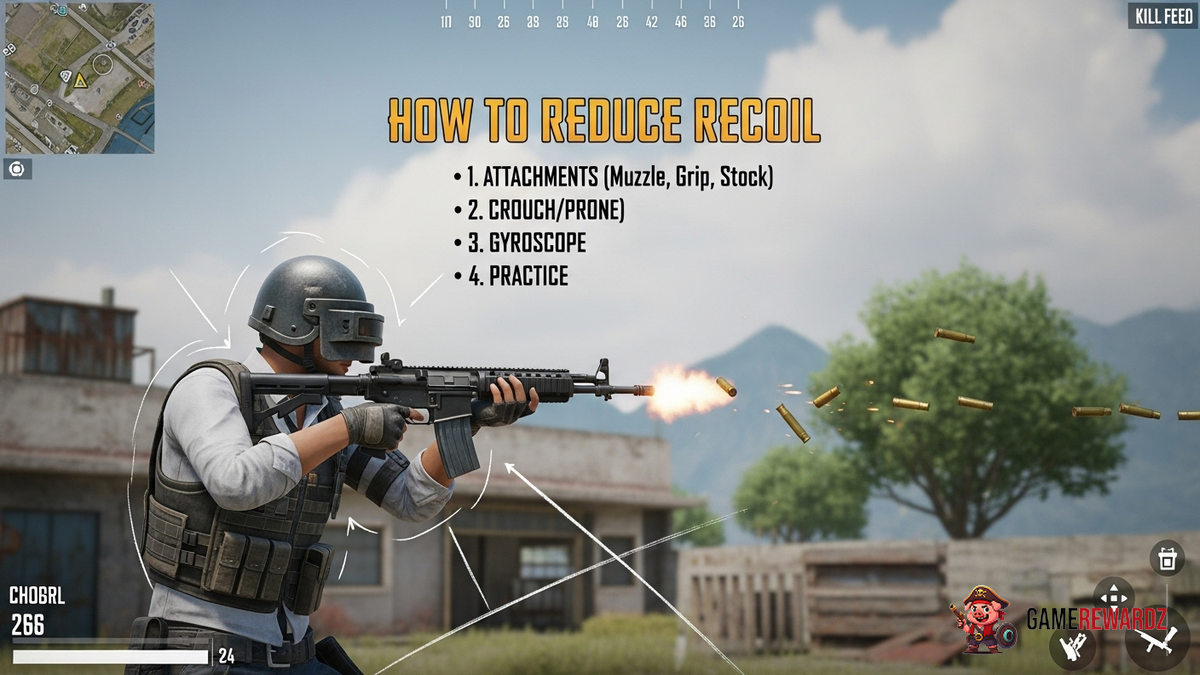
Attachments are game-changers. No, seriously. They can significantly reduce recoil and improve your accuracy. Here's a quick rundown of some must-haves:
- Compensator: Reduces horizontal recoil. A must-have for almost any weapon, especially those that kick sideways like a stubborn mule.
- Vertical Foregrip: Reduces vertical recoil. Pretty self-explanatory, and it's another staple attachment.
- Angled Foregrip: Improves ADS (aim down sight) speed and slightly reduces recoil. A great choice for aggressive players who like to get up close and personal.
- Muzzle Brake: Reduces recoil significantly, but at the cost of increased muzzle flash. Some people love it, some hate it. Experiment and see what works for you.
- Stocks: Stocks reduce wobble and improve stability, making it easier to control your weapon while moving.
Don't underestimate the power of a well-equipped weapon. Play around with different combinations to find what suits your playstyle. And remember, what works for one person might not work for another. As you get more comfortable with the game, take a look at these battle tips at GameRewardz.com. It's a deep dive.
Mastering Control Techniques: Thumb Gymnastics!
Okay, here's where the real skill comes in. It's not enough to just slap on some attachments; you need to learn how to actively control the recoil. This involves using your thumb (or finger, if you're a claw player) to counteract the gun's movement. Sounds simple, but it takes practice. If the gun kicks up, pull down. If it kicks left, push right. It's a constant balancing act. The key is to be smooth and controlled, not jerky and erratic. Think of it like trying to balance a pencil on your finger – small, subtle adjustments are key. Here's where burst firing comes in handy. Instead of holding down the trigger and letting your gun go wild, tap the fire button in short bursts. This gives you more control over each shot and allows you to reset your aim between bursts.
Sensitivity Settings: Finding Your Sweet Spot
Sensitivity settings can make or break your recoil control. If your sensitivity is too high, you'll be overcorrecting all the time. If it's too low, you won't be able to react quickly enough. Finding the right balance is crucial. Start by experimenting with different sensitivity presets in the game. Then, fine-tune them to your liking. Pay attention to how your aim feels when you're tracking moving targets and controlling recoil. It's also crucial to have separate sensitivity settings for different scopes. What feels good with a red dot might feel terrible with a 6x scope. Adjust accordingly. This takes time, so don't be afraid to tweak your settings regularly until you find your sweet spot. And sometimes your own movement speed is the issue. For more on that, check out this resource. The gaming pros at CrazyGames will tell you all about it.
FAQ: Taming the Recoil Beast - Answers to Your Burning Questions
How do I know if my sensitivity is too high?
Good question! If you're constantly overshooting your targets or find it difficult to make small, precise adjustments, your sensitivity is probably too high. Try lowering it slightly and see if that helps. Pay attention to how your aim feels when you're tracking moving targets. If you're struggling to keep up, your sensitivity might be too low. The frustrating thing is that these things are never totally fixed.
Why does recoil feel different on different devices?
This is a common concern! Different devices have different screen sizes, resolutions, and processing power, which can all affect how recoil feels. The touch sensitivity can also vary. The best way to address this is to spend time practicing on each device and adjusting your sensitivity settings accordingly. It's also possible that your device is struggling to run the game smoothly. Make sure you have the latest drivers installed and that your graphics settings are optimized for your device.
Is there a "best" attachment setup for every gun?
Not really, unfortunately. The "best" attachment setup depends on your playstyle and the specific weapon you're using. Some players prefer to maximize recoil control, while others prioritize ADS speed or stability. Experiment with different combinations and see what works best for you. Don't be afraid to deviate from the popular setups if you find something that suits your needs better. The frustrating thing about this topic is that it all comes down to subjective feel.
How important is it to crouch or prone while shooting?
Crouching and proning can significantly reduce recoil and improve your accuracy, especially at longer ranges. Crouching provides a good balance between stability and mobility, while proning offers the best recoil control but makes you a sitting duck. Use these positions strategically depending on the situation. For example, crouching is great for taking cover behind objects, while proning is better for holding down a position or engaging enemies at long range. And in general, keep moving. It’s a good habit.
Ultimately, mastering recoil in BGMI is a journey. There's no magic bullet (pun intended). It takes time, practice, and a willingness to experiment. But trust me, the reward is worth it. Once you can consistently control your weapon, you'll become a much more deadly and effective player. So get out there, hit the training ground, and start honing your skills. And remember, even the best players have bad days. Don't get discouraged if you're not seeing results immediately. Just keep practicing, and you'll get there eventually. Happy gaming!










![Peggle [FLASH] Game](https://gamerewardz.com/thumbs/peggle-flash-game_2.webp)