





















Okay, so you're itching to know which esports games are raining cash in 2025, right? I get it. Who isn't drawn to the siren song of massive prize pools? It's like digital gold fever. But here’s the thing – it's not just about the money. It’s about the games that command that level of attention, the ones that have built entire ecosystems around competitive play. What makes these games so lucrative, anyway? Is it the complexity? The global reach? The sheer entertainment value? Probably a combo of all three, to be honest.
I mean, think about it. These aren't just games you pick up and play casually on a Sunday afternoon (though you can, of course). We're talking about titles that require dedication, strategy, lightning-fast reflexes, and a whole lotta teamwork. And the rewards for mastering those skills? Life-changing.
The Titans Clash: Top 5 Esports Games with Biggest Prize Pools 2025
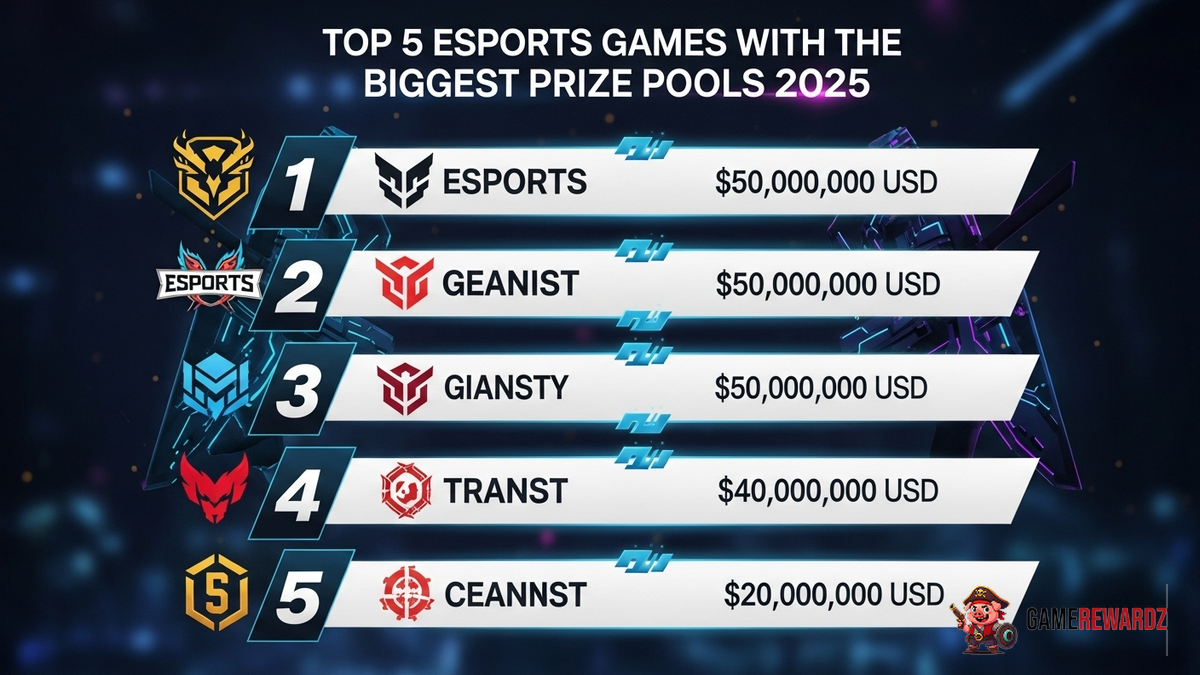
Alright, let's dive in. I've crunched the numbers, looked at the trends, and polled my (admittedly nerdy) friends to bring you my prediction for the top 5 esports games with the biggest prize pools in 2025. Remember, this is just my take, based on the trajectory we're seeing now, but things in the esports world move faster than a Zerg rush!
Dota 2: Let's be honest, can any list omit Dota 2? This game has consistently smashed records when it comes to prize pools, thanks in no small part to its crowdfunding model for The International. The skill ceiling is astronomical, the meta is constantly evolving, and the matches are nail-bitingly intense. And the community? Oh, the community is passionately (and sometimes aggressively) dedicated. Need proof of the popularity? Have a read about some Ancient City Treasures. This game's staying power is undeniable.
League of Legends: The undisputed king of MOBAs in terms of player base, League of Legends boasts a massive and dedicated fanbase. Riot Games has done an exceptional job of fostering a competitive scene, with regional leagues feeding into a global championship. The production value is top-notch, the storylines are compelling, and the game itself is incredibly accessible (while still offering a ton of strategic depth). They even have a cool 2-player mode that is worth checking out on sites like Crazy Games!
Counter-Strike 2: The grandfather of esports FPS games. Simple premise, incredibly high skill ceiling. The economy is still important to this day! CS2 has maintained its relevance for over two decades now, and the recent shift to Counter-Strike 2 has breathed new life into the scene. The tournaments are legendary, the rivalries are fierce, and the clutch plays are iconic. A solid choice for a good time!
Valorant: Riot Games' second entry on this list, and for good reason. Valorant has taken the tactical shooter world by storm, blending elements of CS:GO with hero-based abilities. The result is a fast-paced, strategic, and visually appealing esport that has quickly attracted a large player base and a dedicated competitive scene. I think that Valorant will make waves for a long time.
Fortnite: Okay, hear me out. Fortnite might seem like a kids' game to some, but Epic Games has invested heavily in its esports scene, and the prize pools are nothing to sneeze at. The game's constantly evolving meta, the sheer creativity of the players, and the massive global appeal make it a force to be reckoned with. And with the metaverse gaining traction, Fortnite is well-positioned to remain a major player in the esports landscape.
Beyond the Big Names: The Shifting Sands of Esports
Now, here's where things get interesting. The esports landscape is constantly evolving. New games emerge, old games fade away, and the popularity of different titles ebbs and flows. What might be a top contender in 2024 could be a has-been by 2026. So, you know, take all predictions with a grain of salt.
And it’s not just about the games themselves. The way esports are organized, broadcast, and monetized is also changing rapidly. We're seeing the rise of franchised leagues, the increasing importance of streaming platforms, and the growing influence of sponsors. All of these factors play a role in determining which games will thrive in the years to come.
The Prize Pool Effect: More Than Just Money
Let me try to explain this more clearly. It’s easy to get fixated on the sheer dollar amount of prize pools, but that's not the whole story. The size of the prize pool is often a reflection of the health and vibrancy of the esports ecosystem as a whole. A large prize pool attracts more players, more viewers, and more sponsors, creating a virtuous cycle of growth and investment. You should try to improve your sensivity in BGMI with this Guide.
But here’s the thing: money isn't everything. A game with a smaller prize pool but a passionate community, a well-run league, and a supportive developer can be just as rewarding (if not more so) for players and fans alike. It’s about the love of the game, the thrill of competition, and the sense of belonging to a community.
FAQ: Your Burning Questions About Esports Prize Pools
How does crowdfunding affect esports prize pools?
Crowdfunding has become a significant factor, particularly for games like Dota 2. By allowing players to directly contribute to the prize pool through in-game purchases, developers can create massive payouts that dwarf those of traditionally funded tournaments. This not only incentivizes players but also generates hype and excitement around the event, drawing in more viewers and sponsors. It's a win-win for everyone involved… except maybe your wallet.
Why do some esports games have bigger prize pools than others?
Several factors influence the size of prize pools. Player base is a big one – games with larger audiences tend to attract more sponsors and generate more revenue. Developer investment also plays a crucial role. Some developers are more willing to pour money into their esports scenes than others. The game's monetization model can also be a factor, as games with more in-game purchase options often have more revenue to allocate to prize pools. And finally, pure luck can play a role. Maybe a celebrity will endorse the game?
Is it realistic to make a living as a professional esports player?
Here's the thing: while the top esports players can earn a substantial income through prize money, sponsorships, and streaming, the vast majority of aspiring pros struggle to make ends meet. The competition is fierce, the hours are long, and the pressure is intense. It requires exceptional skill, dedication, and a bit of luck to reach the top. Most importantly, always remember to enjoy playing your game!
What's the deal with concerns about sustainability of rising esports prize pools?
The rapid growth of esports prize pools has raised concerns about sustainability. Some worry that the current model is unsustainable, as it relies heavily on external funding and may not be able to maintain its current trajectory. The bubble might burst! There are also concerns about the distribution of wealth, as a small percentage of players tend to win the lion's share of the prize money. Addressing these concerns will be crucial to the long-term health and stability of the esports industry.








![Peggle [FLASH] Game](https://gamerewardz.com/thumbs/peggle-flash-game_2.webp)