
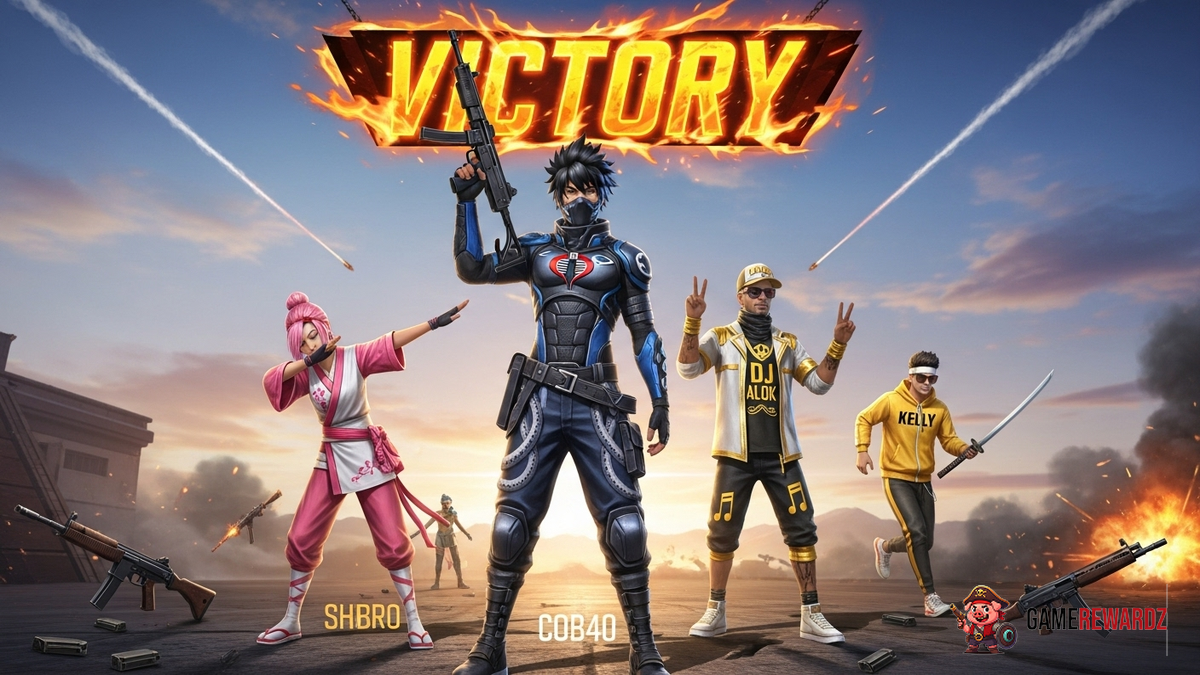
Alright, let's talk about Clash Squad in Free Fire. Look, I've seen a lot of players treat it like a warm-up, a casual flick of the wrist before diving into the 'real' battle royale. Big mistake. Huge. Because, honestly? Clash Squad is where you sharpen your skills. Where you learn to clutch. Where you become a menace.
The thing about Clash Squad is that it's a concentrated dose of Free Fire. No wandering around for ten minutes looting before finally running into someone. This is instant action, round after round. And to consistently win? You've gotta approach it differently. So, forget everything you think you know. We're going deep.
Understanding the Economy: Your Clash Squad Lifeline
People skip this, and it's insane to me. Seriously. The Clash Squad economy is its own mini-game. Think of it like a strategic resource management exercise. Every round, you earn cash based on performance and, well, just being alive. How you spend that cash dictates your chances of winning. Now, there are several tips and tricks you can use, like knowing where to find ghillie suits using these BGMI tips. But more importantly, understanding the basics is key.
So, what should you buy? Do you go all-in on an expensive weapon early on, or do you build a solid foundation of armor and utilities? Here's my take: it depends. (Of course, it does, right?). Early rounds? Armor is king. A good vest and helmet can give you the edge in those initial skirmishes. As the game progresses, you'll want to prioritize weapons that fit your playstyle. This high-authority gaming site could give you a wide variety of games you could play.
Oh, and don't neglect grenades! Seriously, a well-placed grenade can completely swing a round. Think about it: you can force enemies out of cover, flush them into your line of sight, or even score a cheap kill. Spend your money wisely, and you'll be surprised how much of an advantage you can gain.
Mastering the Map: Knowing Your Battlefield
Each Clash Squad map is a microcosm of the larger Free Fire world, but with tighter corridors and more predictable engagements. Learn the chokepoints. Understand the flanking routes. Know where the high ground is and how to take it. I keep coming back to this because it's crucial. Map knowledge is non-negotiable.
Here's the thing: many players just rush into the center of the map, hoping for the best. This is a recipe for disaster. Instead, think about controlling key areas. Deny your opponents access to strategic positions. Force them to fight on your terms. For example, understanding one-shot-kill locations as described here, will dramatically improve your game and survivability.
And don't be afraid to play passively. Sometimes, the best strategy is to let your opponents come to you. Set up ambushes. Use cover to your advantage. Patience can be a virtue, especially when the stakes are high. But that said, don't be too passive. You need to apply pressure, keep your opponents guessing, and dictate the pace of the game. It's a balancing act, for sure.
Teamwork Makes the Dream Work (Seriously)
I cannot stress this enough. Clash Squad is a team game. Yes, individual skill matters, but even the best player in the world can't carry a team that's not communicating or working together. So, talk to your teammates! Coordinate your strategies. Call out enemy positions. Revive downed teammates.
It sounds obvious, but you'd be surprised how many players ignore this. They're too busy trying to be the hero, trying to get all the kills. That's a selfish approach, and it rarely leads to victory. Instead, think about how you can support your team. Maybe that means providing cover fire. Maybe that means healing a teammate in need. Maybe that means sacrificing yourself to secure a crucial objective.
And here's another thing: be adaptable. Don't be afraid to switch up your strategy based on what's happening in the game. If your initial plan isn't working, try something different. Communication is key here. The better you can communicate with your teammates, the better your chances of winning.
FAQ: Clash Squad Edition
How do I choose the right weapons in Clash Squad?
Alright, so weapon choice is hugely personal, right? Some people swear by SMGs for close-quarters chaos, others prefer the range of an assault rifle. My advice? Experiment! Don't be afraid to try different weapons and see what clicks. But here's a tip: consider the map. If you're playing on a map with lots of tight corridors, an SMG or shotgun might be the better choice. If you're on a more open map, an assault rifle or even a sniper rifle could be more effective. The economy matters too. Sometimes, an M500 headshot will get you more distance in the game. Just make sure to prioritize the right stuff!
Why am I always losing 1v1s in Clash Squad?
Ah, the dreaded 1v1. It's all about aim, movement, and positioning. First, make sure your aim is on point. Practice in training mode or play some aim trainers to improve your accuracy. Second, work on your movement. Learn how to strafe, jump, and crouch effectively to make yourself a harder target to hit. Third, think about your positioning. Don't just stand out in the open! Use cover to your advantage and try to flank your opponents. And remember: a well-timed grenade can completely change the outcome of a 1v1.
How important is communication in Clash Squad?
Hugely important. Like, game-changingly important. Clash Squad is a team game, and you can't win consistently without good communication. Call out enemy positions, coordinate your attacks, and revive downed teammates. Even simple things like saying "I'm pushing left" or "Need help here" can make a huge difference. If you're not comfortable talking on voice chat, at least use the in-game ping system to communicate with your teammates. Seriously, try it. You'll be amazed at the difference it makes.
What's the biggest mistake players make in Clash Squad?
Ignoring the economy. I said it before, and I'll say it again: the Clash Squad economy is its own mini-game. Don't just blindly buy the same weapons every round. Think about what you need to counter your opponents and adjust your purchases accordingly. And don't be afraid to save money for later rounds if you need to. A solid vest in the beginning of the game always beats an advanced weapon, so make sure that your defense is also a priority.

![Peggle [FLASH] Game](https://gamerewardz.com/thumbs/peggle-flash-game_2.webp)