















So, you want to get into esports, huh? Good choice! It's not just kids playing video games anymore. We're talking serious competition, big money, and a rapidly growing global phenomenon. But where do you even start? That's the million-dollar question, isn't it? (Okay, maybe not a million, but you get the idea.)
I remember when I first dipped my toes into the esports world. It was a dizzying mix of acronyms, unfamiliar game titles, and seemingly superhuman players. It felt like trying to learn a new language while simultaneously being thrown into the deep end of a pool. But trust me, it gets easier. And that's what this guide is all about – making that initial plunge a little less terrifying.
Let's get real. Esports isn't just about reflexes and button-mashing (though those things definitely help!). It's a complex ecosystem of players, teams, leagues, sponsors, and fans. Think of it as traditional sports, but with digital athletes battling it out in virtual arenas. And believe me, the intensity is just as real.
What Exactly Is Esports?
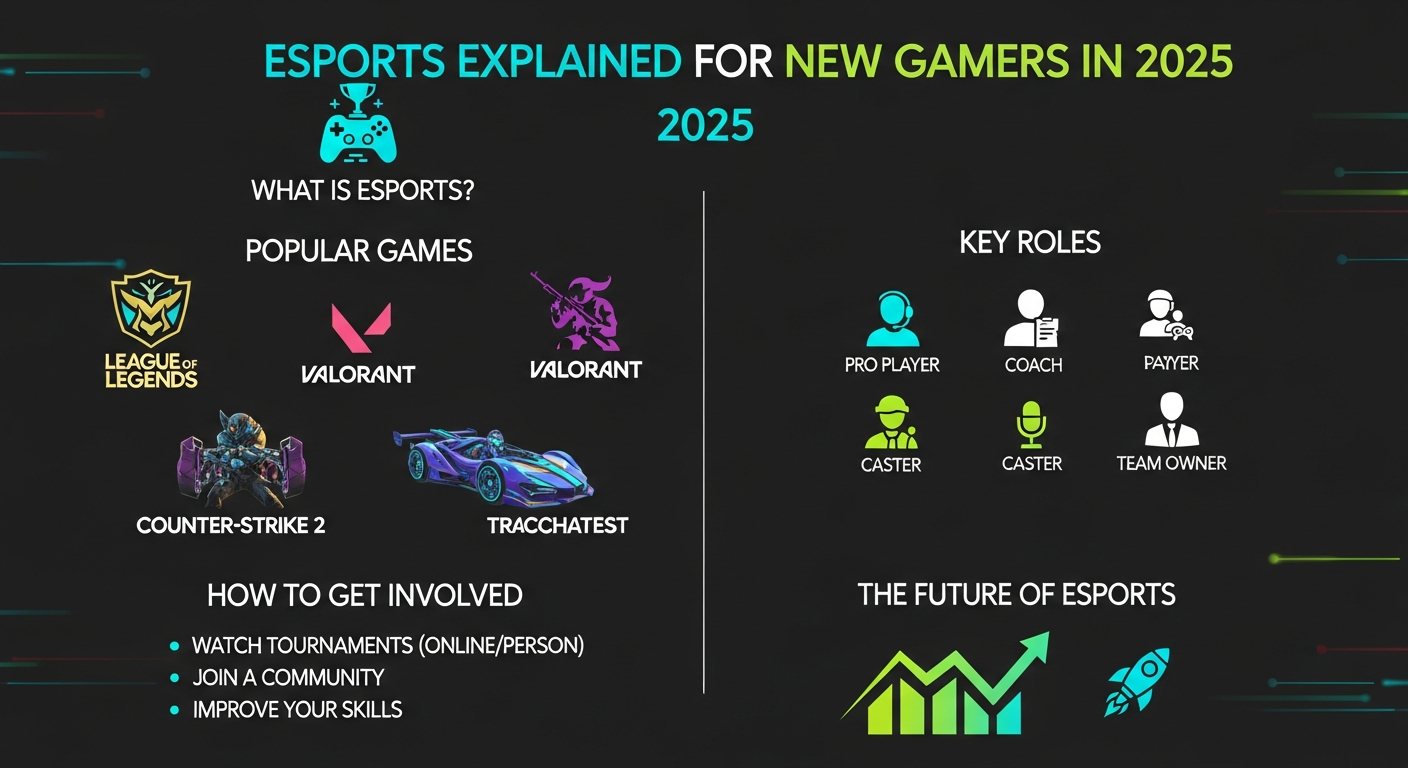
Esports, short for electronic sports, is competitive video gaming at a professional level. We're talking organized tournaments, salaried players, and dedicated fan bases. The games vary widely – from multiplayer online battle arenas (MOBAs) like League of Legends and Dota 2, to first-person shooters (FPS) like Counter-Strike: Global Offensive and Valorant, to sports simulations like FIFA and NBA 2K. And, of course, the burgeoning mobile gaming scene.
But it's not just about playing the games. It's about strategy, teamwork, communication, and dedication. Pro players train for hours every day, honing their skills and developing strategies to outwit their opponents. It's a grind, no doubt about it.
And here's the thing: the skill ceiling is unbelievably high. You might think you're good at Call of Duty, and maybe you are… among your friends. But the pros? They operate on a whole different level. Their reaction times are faster, their decision-making is sharper, and their understanding of the game mechanics is encyclopedic.
Now, I'm not saying you need to be a gaming prodigy to enjoy esports. Far from it! But understanding the level of competition is important for setting realistic expectations and appreciating the dedication of the pros.
Popular Esports Titles to Watch in 2025
The esports landscape is constantly evolving. Games rise and fall in popularity, new titles emerge, and existing games get updated and rebalanced. Keeping up with it all can be a challenge, I know. But here are a few of the heavy hitters that are likely to still be dominating the scene in 2025:
- League of Legends (LoL): Still the king of MOBAs, with a massive global following and a thriving professional scene. Expect Riot Games to keep investing heavily in its esports infrastructure.
- Counter-Strike 2 (CS2): The latest iteration of the classic FPS. Valve's commitment to supporting the competitive scene ensures its continued relevance.
- Dota 2: Another MOBA giant, known for its complexity and strategic depth. The International, Dota 2's world championship, remains one of the most prestigious and lucrative esports events.
- Valorant: Riot Games' tactical shooter has quickly gained popularity, thanks to its accessible gameplay and well-organized esports ecosystem.
- Overwatch 2: While it's had its ups and downs, Blizzard's hero shooter still boasts a dedicated fan base and a competitive scene with a lot of potential.
- Fortnite: Epic Games' battle royale continues to be a cultural phenomenon, and its esports scene is constantly evolving with new formats and events. Check out Fortnite Settings to get yourself a head start in the game.
This list is by no means exhaustive, of course. There are plenty of other esports titles out there, each with its own unique appeal. Fighting games like Street Fighter and Tekken have a dedicated following, as do sports simulations like FIFA and NBA 2K. And let's not forget the growing mobile esports scene, with games like Mobile Legends: Bang Bang and Arena of Valor gaining popularity in Asia and beyond.
Choosing which games to follow is a matter of personal preference. But I'd recommend starting with a title that you already enjoy playing, or one that you find particularly interesting. That way, you'll be more invested in the matches and more motivated to learn about the game and the players.
Getting Started as a Spectator
Okay, so you've chosen a game (or games) to follow. Now what? Well, the easiest way to get started is to simply watch some matches. There are plenty of places to find esports streams and broadcasts:
- Twitch: The go-to platform for live streaming. Most professional esports events are broadcast on Twitch, and many pro players stream their own practice sessions.
- YouTube: Another great source for esports content. Many organizations and players upload VODs (videos on demand) of past matches and tournaments.
- Official Game Websites: Most game developers have dedicated esports sections on their websites, where you can find schedules, standings, and streams.
As you watch more matches, you'll start to learn the rules, the strategies, and the players. Pay attention to the commentators, who often provide insightful analysis and explain the key moments of the game. And don't be afraid to ask questions in the chat! The esports community is generally very welcoming and helpful.
Understanding the Ecosystem: Teams, Leagues, and Tournaments
Esports isn't just about individual players. It's about teams competing in organized leagues and tournaments. The structure varies depending on the game, but there are some common elements:
- Teams: Professional esports teams are usually composed of 5-7 players, plus coaches and support staff. Some teams are independent organizations, while others are owned by larger companies or sports franchises.
- Leagues: Leagues are ongoing competitions that feature a set of teams playing against each other over a period of weeks or months. Some leagues are regional, while others are global.
- Tournaments: Tournaments are shorter, single-elimination or double-elimination competitions that bring together teams from different leagues and regions. Winning a major tournament is a huge achievement for any team.
The biggest and most prestigious esports events are often organized by the game developers themselves. Riot Games' League of Legends World Championship and Valve's The International (Dota 2) are prime examples. These events attract millions of viewers and offer massive prize pools.
So, What Does the Future Hold?
Esports is still a relatively young industry, but it's growing rapidly. As technology advances and gaming becomes more mainstream, we can expect to see even more innovation and investment in the esports space. Virtual reality esports, cloud gaming, and mobile esports are all areas to watch in the coming years.
But here's the thing: the future of esports isn't just about technology. It's about the players, the fans, and the community. It's about creating a sustainable and inclusive ecosystem that supports both professional and amateur players. It's about fostering a culture of respect and sportsmanship. And it's about making esports accessible to everyone, regardless of their background or skill level.
Honestly, I'm incredibly excited to see where esports goes in the next few years. It's a dynamic and constantly evolving industry with the potential to change the way we think about sports and entertainment.
For more insights on weapons used in games such as free fire read Free Fire Best Guns: Clash Squad
FAQ: Your Esports Questions Answered
Is esports really a sport?
This is a question that comes up a lot, and honestly, there's no easy answer. Some people argue that esports don't require the same physical exertion as traditional sports, and therefore shouldn't be considered sports. Others argue that the strategic thinking, teamwork, and mental fortitude required to succeed in esports are just as demanding as those required in traditional sports.
My personal view? It doesn't really matter what you call it. Esports are competitive, they require skill and dedication, and they attract millions of viewers. Whether you call them sports or not, they're a legitimate form of entertainment and competition. There's no real right or wrong answer, its all up for debate.
How do esports players make money?
Esports players have several avenues for income. Salaries from their teams are a major source, especially for players on well-established organizations. Prize money from winning tournaments can be substantial, particularly in major events like The International for Dota 2 or the League of Legends World Championship. Sponsorships from brands like gaming hardware companies or energy drink companies provide additional income. Streaming on platforms like Twitch and YouTube allows players to earn money through subscriptions, donations, and ad revenue. Content creation, such as making videos or writing guides, can also generate income. Finally, merchandise sales of team jerseys, player-specific gear, and other branded products contribute to a player's earnings.
What skills do I need to become an esports player?
Okay, so you're thinking about going pro? That's awesome! But before you quit your day job, let's talk about the skills you'll need. First and foremost, you need exceptional mechanical skill in your chosen game. This means having fast reaction times, precise aim (if applicable), and a deep understanding of the game mechanics. But it's not just about individual skill. You also need strong teamwork and communication skills, as esports are almost always team-based. You need to be able to communicate effectively with your teammates, coordinate strategies, and adapt to changing situations. Finally, you need mental fortitude. Esports can be incredibly stressful, and you need to be able to handle pressure, bounce back from losses, and stay focused even when things get tough.
How can I get involved in the esports community?
Getting involved in the esports community is easier than you might think! Start by following your favorite teams and players on social media. Attend local esports events or watch online tournaments. Join online forums or Discord servers dedicated to your favorite games. If you're a gamer yourself, consider joining a local amateur team or participating in online tournaments. The esports community is generally very welcoming and inclusive, so don't be afraid to reach out and get involved!







![Peggle [FLASH] Game](https://gamerewardz.com/thumbs/peggle-flash-game_2.webp)