




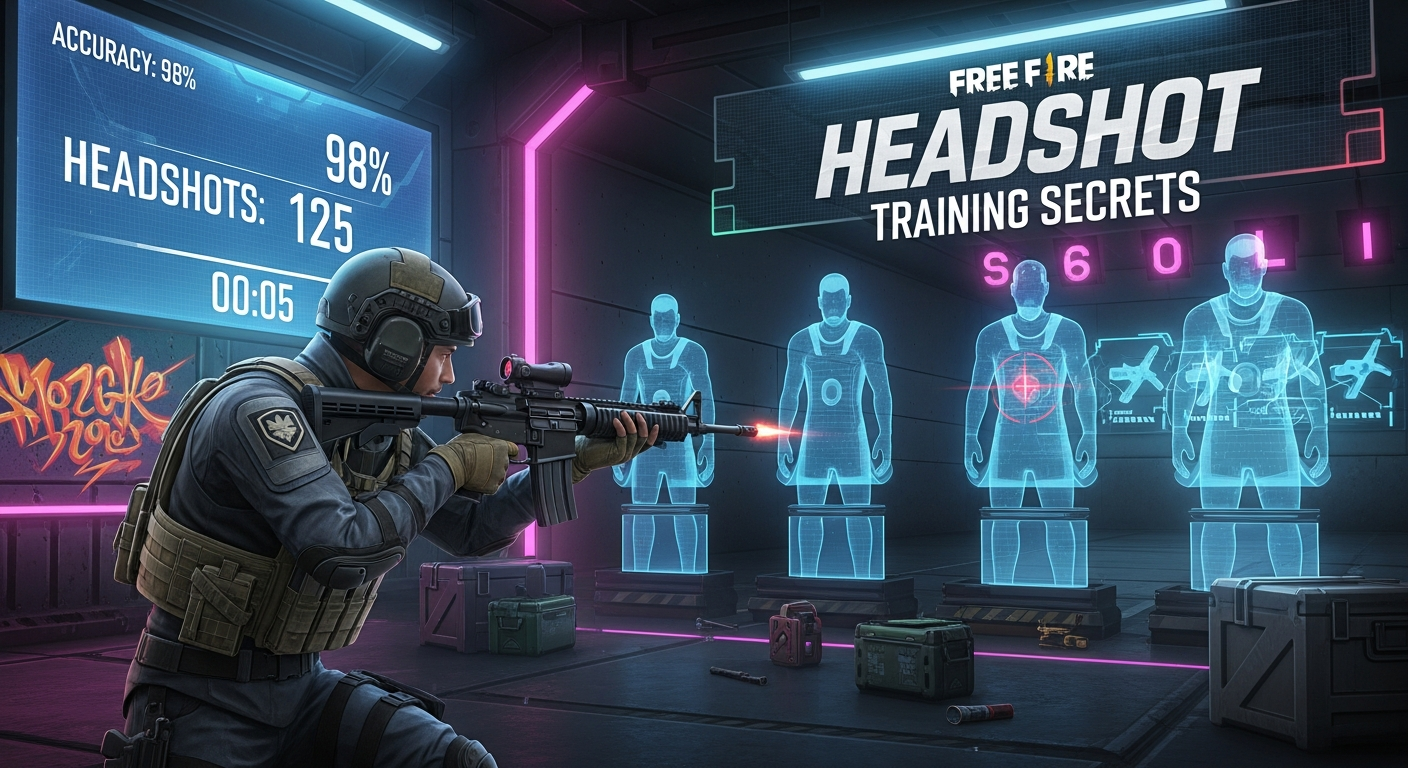
Okay, let's talk headshots in Free Fire. Not just any headshots, but the kind that make your opponents rage quit. I remember when I first started playing, I thought it was all luck. Spray and pray, right? Wrong. So, so wrong. There's actual technique involved, and once you nail it, the game changes completely.
You might be wondering, why even bother? Well, a headshot is an instant kill. Boom. Gone. No wasting precious ammo, no giving your opponent a chance to heal. It's the ultimate flex, and it’s strategically brilliant. But here's the thing: mastering headshots isn't about magic; it's about understanding mechanics, practicing consistently, and developing a feel for the game.
Dialing in Your Sensitivity for Headshot Accuracy
Sensitivity settings are HUGE. I can't stress this enough. What works for one person might be a disaster for another. It's all about finding your sweet spot. Too high, and you'll be over-aiming like crazy. Too low, and you'll feel like you're moving through molasses. I spent a solid week tweaking my settings, micro-adjusting until it felt right.
Actually, that's not quite right, it took me more than a week, but I was determined! Don't just copy someone else's settings blindly. Use the training ground to experiment. Focus on smooth, controlled movements. Can you consistently flick your aim to a target's head? If not, adjust and repeat. And repeat again. This game offers various options and features to customize your settings in order to have the most convenient gameplay. But fine-tuning your sensitivity is vital for quick, accurate aiming.
Mastering Aim Assist (Or Not!)
Aim assist – the eternal debate. Some swear by it, others despise it. I fall somewhere in the middle. It can be helpful, especially when you're first starting out. It gently nudges your crosshair towards the target, making it easier to land shots. But here's the potential downside: it can also mess with your muscle memory and make it harder to develop true precision.
I initially thought aim assist was essential, but after looking deeper, I realized it was holding me back. I recommend experimenting with turning it off completely. It'll feel awkward at first, trust me. You'll miss shots you think you should have hit. But stick with it. You'll develop a much finer control over your aiming, and your headshot accuracy will skyrocket in the long run. Of course, this is just my opinion; plenty of pros use aim assist effectively. The key is to understand how it works and whether it's truly benefiting you.
But remember, practice makes perfect. Check out this article on Fortnite Pro Settings.
The Art of the Drag Headshot
This is where things get interesting. The drag headshot is all about predicting your opponent's movement and dragging your crosshair along with them, landing the shot as their head passes through your aiming point. It takes timing, coordination, and a healthy dose of intuition. Think of it like leading a moving target in real life – you have to anticipate where they're going, not where they are.
The frustrating thing about this skill is, it's hard to explain! It's more of a feeling than a science. You need to practice against moving targets, paying close attention to their speed and trajectory. Try strafing left and right while aiming, keeping your crosshair trained on their head. It’s difficult, but eventually you’ll get it. It’s like trying to thread a needle while running!
Weapon Choice Matters (A Lot!)
Not all weapons are created equal when it comes to headshots. Some have higher accuracy, better recoil control, or faster fire rates, making them more conducive to landing that perfect headshot. The M14, for example, is a beast with its high damage and accuracy. The AK is another solid choice, although it requires more recoil control. Find what works best for you.
And remember attachments. A good scope can make a world of difference, especially for long-range engagements. A foregrip can help tame recoil, making it easier to stay on target. Experiment with different loadouts until you find a combination that complements your playstyle.
Free Fire Headshot Training: Practice, Patience, and Persistence
Okay, let's be real: there's no magic bullet (pun intended!) for instant headshot mastery. It takes time, effort, and a willingness to learn from your mistakes. Don't get discouraged if you're not landing headshots consistently at first. Everyone starts somewhere. The key is to keep practicing, keep experimenting, and keep refining your technique. Spend time in the training ground, focusing on specific skills. Watch pro players and analyze their movements. And don't be afraid to try new things.
Let me try to explain this more clearly: consistency is key. Aim trainers can be your best friend. They provide a controlled environment where you can focus solely on aiming without the distractions of a live match. Use them regularly, even if it's just for 15-20 minutes a day. You'll be amazed at how quickly your accuracy improves. Also, use this link: Free Fire Diamond Spin Tricks. I keep coming back to this point because it’s crucial.
FAQ: Headshot Training in Free Fire
Why aren't my headshots registering?
Several factors could be at play. First, double-check your sensitivity settings. If they're too high or too low, you might be over-aiming or under-aiming. Secondly, consider your weapon choice. Some weapons are simply more accurate than others. Lastly, make sure you're actually hitting the head! Sounds obvious, but sometimes what feels like a headshot is actually a body shot. Practice in the training ground to get a better feel for headshot placement.
How can I improve my reaction time for headshots?
Reaction time is crucial for quick headshots. You can improve it through consistent practice and focused drills. Use aim trainers that specifically target reaction speed. These trainers present you with targets that appear and disappear quickly, forcing you to react as fast as possible. Also, ensure you're well-rested and focused when you play. Fatigue can significantly impact your reaction time.
Is it better to tap or spray for headshots?
It depends on the situation and your weapon. For long-range engagements, tapping is generally more effective, as it allows you to maintain accuracy. For close-range combat, spraying can be viable, especially with weapons that have good recoil control. However, even when spraying, try to focus on controlling your aim and keeping your crosshair trained on the head. It’s a balancing act.
What's the biggest misconception about headshot training?
The biggest misconception is that it's all about luck. While luck certainly plays a role, especially in chaotic situations, headshot accuracy is primarily a skill. It requires understanding game mechanics, mastering aiming techniques, and practicing consistently. It's not about hoping for the best; it's about actively working to improve your accuracy and consistency. So get in there and start practicing your Free Fire headshot training!



![Peggle [FLASH] Game](https://gamerewardz.com/thumbs/peggle-flash-game_2.webp)